
Anne Douglas
LMFTNorth Carolina · 25 yrs exp
Expert therapist for life transitions
Stress, Anxiety · Relationship · Family · Grief · +15 more
Read profileTherapist listings come from BetterHelp. We will earn a commission, at no additional cost to you, if you purchase through our links.
Profiles here include Self Esteem listed as a focus area alongside addiction and substance-use concerns. Compare each profile's approaches, credentials, listed location, languages, and experience, then browse profiles to learn more.
North Carolina · 25 yrs exp
Expert therapist for life transitions
Stress, Anxiety · Relationship · Family · Grief · +15 more
Read profile
Texas · 20 yrs exp
Experienced counselor for addiction and life changes
Stress, Anxiety · LGBT · Relationship · Self esteem · +16 more
Read profile
Georgia · 20 yrs exp
Practical support for stress and addiction recovery
Stress, Anxiety · Addictions · Relationship · Self esteem · +12 more
Read profile
Florida · 16 yrs exp
Compassionate therapist for practical change
Stress, Anxiety · Relationship · Trauma and abuse · Depression · +6 more
Read profile
California · 14 yrs exp
Change your story with steady support
Stress, Anxiety · Relationship · Family · Intimacy-related issues · +9 more
Read profile
Texas · 13 yrs exp
Practical, skills-focused therapy with steady support
Stress, Anxiety · Relationship · Trauma and abuse · Anger · +11 more
Read profile
Florida · 20 yrs exp
Experienced counselor focused on addiction recovery and family impact
Stress, Anxiety · Addictions · Relationship · Self esteem · +16 more
Read profile
Georgia · 19 yrs exp
Hopeful, practical support for life challenges
Stress, Anxiety · Relationship · Family · Trauma and abuse · +7 more
Read profile
New York · 13 yrs exp
Compassionate support for addiction and trauma recovery
Relationship · Trauma and abuse · Grief · Self esteem · +9 more
Read profile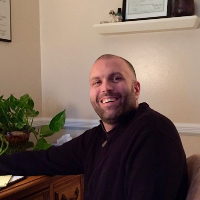
South Carolina · 14 yrs exp
Goal-focused LCSW helping with addiction and mood
Stress, Anxiety · Parenting · Depression · Addictions · +14 more
Read profile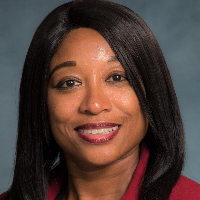
Georgia · 8 yrs exp
Compassionate counselor for stress and recovery
Stress, Anxiety · Relationship · Family · Grief · +11 more
Read profile
North Carolina · 28 yrs exp
Compassionate counselor for addiction and mood
Stress, Anxiety · Addictions · LGBT · Depression · +12 more
Read profile
Florida · 25 yrs exp
Practical therapy for trauma and relationship struggles
Relationship · Trauma and abuse · Grief · Anger · +12 more
Read profile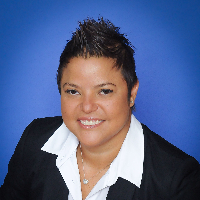
Florida · 21 yrs exp
Addiction-focused counselor with broad experience
Stress, Anxiety · Addictions · LGBT · Depression · +9 more
Read profile
Maryland · 6 yrs exp
Compassionate support for stress and addiction recovery
Stress, Anxiety · Trauma and abuse · Self esteem · Coping with life changes · +10 more
Read profile
Florida · 23 yrs exp
Experienced counselor focusing on recovery and practical change
Stress, Anxiety · Addictions · Self esteem · Depression · +10 more
Read profile
Maryland · 10 yrs exp
Therapist focused on practical recovery and growth
Stress, Anxiety · Relationship · Family · Intimacy-related issues · +12 more
Read profile
Pennsylvania · 12 yrs exp
Healing focused and goal oriented
Stress, Anxiety · Relationship · Self esteem · Depression · +11 more
Read profile
North Carolina · 10 yrs exp
Faith-informed clinical social worker focusing on recovery
Stress, Anxiety · Relationship · Family · Bipolar · +16 more
Read profile
Virginia · 9 yrs exp
Compassionate counselor blending life experience and counseling methods
Stress, Anxiety · Relationship · Self esteem · Depression · +7 more
Read profile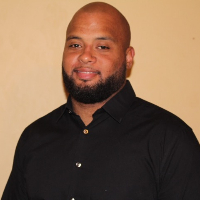
Florida · 8 yrs exp
Practical, goal-focused therapy for life changes
Stress, Anxiety · Relationship · Family · Self esteem · +12 more
Read profile
New York · 9 yrs exp
Practical, compassionate support for adults
Stress, Anxiety · Anger · Self esteem · Depression · +13 more
Read profile
Florida · 26 yrs exp
Seasoned therapist focused on steady, practical support
Stress, Anxiety · Relationship · Anger · Depression · +13 more
Read profile
Florida · 13 yrs exp
Compassionate counselor focused on practical change
Stress, Anxiety · Anger · Depression · Coping with life changes · +13 more
Read profileWhen self esteem is a concern for you, it can show up in many parts of life - how you relate to others, the choices you make about substances or behaviours, and how you cope with stress at work or with family. In directories like this one, you will find profiles where clinicians list both Self Esteem and addiction or substance-use concerns as areas they address. That listing reflects a focus the clinician reports, not a guarantee of a particular outcome or a specific level of expertise.
You may notice connections between self worth and patterns of use in your own life or a loved one’s life. That might include using substances to numb critical self-talk, to fit in socially, or to manage anxiety about performance. You may also experience cravings, worries about relapse, and the practical impact on relationships, employment, or parenting. Recognizing these links can help shape questions you bring to a profile or a first conversation with a clinician.
If self esteem is part of what brings you to seek support, you can frame goals that are personal and measurable for you. Some people want to build more consistent boundaries at work, reduce avoidance in social settings, or develop strategies to manage self-critical thoughts that feed urges to use. Others may focus on repairing relationships affected by substance use or improving functioning at home and in the workplace. Your goals will guide the kinds of approaches and supports you explore in profiles.
Profiles may list a variety of therapeutic approaches as options to discuss, such as cognitive approaches that address unhelpful thinking, somatic-informed approaches that explore bodily responses, or trauma-informed frameworks that consider past events. Remember that an online talk therapy conversation is not a substitute for medically supervised detox, withdrawal management, or residential care. If you are at risk of withdrawal or overdose, immediate medical attention is needed. For U.S. crisis support, call or text 988, and for the Substance Abuse and Mental Health Services Administration helpline call 1-800-662-HELP (4357).
When you look at individual profiles, prepare concrete questions to understand how a clinician’s approach maps to your needs. Ask whether they work with people who have concerns similar to yours, including both self esteem and substance use. Ask how they handle cravings and relapse worries in therapy conversations and whether they coordinate with medical providers when medications or withdrawal risk are present. You can inquire about whether they work with people in your age group and whether they have experience addressing related issues like family stress or workplace challenges.
It is also important to clarify what a profile’s academic and professional listings mean. Degrees such as PhD, PsyD, MD, MA, or MSW describe academic credentials. A degree alone does not establish current permission to practice or a specific license. Ask about the clinician’s professional license or registration and whether they are permitted to provide care to you in your listed location or state. Use the listed location field in a profile as a starting point for these conversations, and confirm licensure and jurisdiction directly with the clinician or the appropriate licensing board.
Before beginning online care, it helps to discuss practical and clinical details so you know what to expect. Talk about how the clinician manages safety planning, including steps to take if cravings escalate or a relapse occurs. Ask whether they have a plan for emergencies and how they prefer to coordinate with a physician, psychiatrist, or local crisis services if needed. Be explicit about any current medications, past withdrawal experiences, and whether you are at risk of severe withdrawal symptoms, because online counseling does not replace medical treatment for these conditions.
Discussing communication style and cultural fit is equally important. Ask about the languages they list on their profile and how they adapt to different cultural backgrounds or faith perspectives. If family or work issues are central to your concerns, confirm whether the clinician’s scope includes those areas; a profile listing a topic does not guarantee work with children, couples, or families. Finally, clarify administrative details that matter to you - how the clinician documents sessions, what to expect in terms of session length and frequency, and how to reschedule or follow up. These conversations help you decide whether to move forward with a particular clinician.
When you compare profiles, read beyond a single descriptor and look at the combination of focus areas, approaches, and listed experience. If multiple clinicians list Self Esteem and addiction-related concerns, notice whether some describe experience with workplace stress, parenting, trauma, or relapse prevention. Profiles that list specific populations or settings can help you identify clinicians whose work aligns with your circumstances, but always verify these claims directly.
Language ability and cultural competence can make a significant difference in how comfortable you feel sharing sensitive concerns. Profiles often list the languages a clinician speaks; consider whether having a clinician who speaks your preferred language or understands your cultural background is important to you. For clinical credentials, distinguish degrees from licenses - a PhD, PsyD, MD, MA, or MSW indicates academic training, while a professional license is what defines legal permission to practice. Check the clinician’s listed location and ask about their licensing jurisdiction so you know whether they are authorized to work with you where you live.
Finally, evaluate therapeutic style as described in profiles and in initial conversations. Some clinicians describe a direct skills-based approach, others a reflective and exploratory style, and some highlight a collaborative problem-solving orientation. Therapists who list specific approaches, such as EMDR among their approaches, present options you can discuss further; these listings do not confirm certification or training. Use profile information to form questions that reveal how a clinician actually works with people who have concerns like yours, so you can decide which profiles to explore in greater depth.
Browsing profiles is a first step toward finding a clinician whose focus areas, language skills, academic background, and described approach align with your needs. Verify licensure and permission to practice in your location, ask clear questions about handling cravings, relapse risk, and medical collaboration, and seek immediate medical help or crisis support if withdrawal or overdose risk is present. For U.S. crisis assistance call or text 988, and for the SAMHSA national helpline call 1-800-662-HELP (4357).
Alabama
13 therapists
Alaska
2 therapists
Arizona
9 therapists
Arkansas
5 therapists
California
19 therapists
Colorado
8 therapists
Connecticut
5 therapists
Delaware
33 therapists
District of Columbia
23 therapists
Florida
1068 therapists
Georgia
389 therapists
Hawaii
3 therapists
Idaho
3 therapists
Illinois
11 therapists
Indiana
8 therapists
Iowa
4 therapists
Kansas
2 therapists
Kentucky
5 therapists
Louisiana
11 therapists
Maine
2 therapists
Maryland
134 therapists
Massachusetts
3 therapists
Michigan
8 therapists
Minnesota
2 therapists
Mississippi
4 therapists
Missouri
5 therapists
Nebraska
1 therapist
Nevada
2 therapists
New Hampshire
3 therapists
New Jersey
8 therapists
New Mexico
2 therapists
New York
18 therapists
North Carolina
364 therapists
Ohio
15 therapists
Oklahoma
1 therapist
Oregon
1 therapist
Pennsylvania
20 therapists
Rhode Island
1 therapist
South Carolina
155 therapists
Tennessee
11 therapists
Texas
28 therapists
Utah
7 therapists
Vermont
2 therapists
Virginia
166 therapists
Washington
5 therapists
West Virginia
39 therapists
Wisconsin
4 therapists
Wyoming
1 therapist