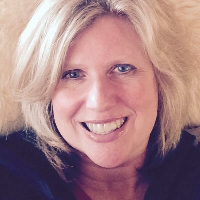
Karen Gano
LCSW-C, LCSW, CSWNew Mexico · 33 yrs exp
Empowerment-focused counseling for life transitions
Relationship · Trauma and abuse · Grief · Self esteem · +11 more
Read profileTherapist listings come from BetterHelp. We will earn a commission, at no additional cost to you, if you purchase through our links.
On this New Mexico page you can compare profiles of clinicians who list addiction and substance-use among their specialties in the listed location. Browse profiles to review focus areas, professional credentials, languages and therapeutic approaches, and confirm each clinician's permission to work where you live.
New Mexico · 33 yrs exp
Empowerment-focused counseling for life transitions
Relationship · Trauma and abuse · Grief · Self esteem · +11 more
Read profile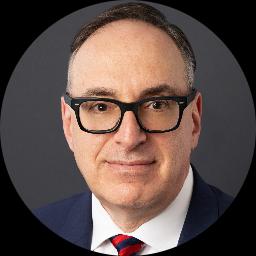
New Mexico · 30 yrs exp
Guide for addiction and life change
Relationship · Trauma and abuse · Career · Depression · +9 more
Read profileIf you are looking for help with substance use, you are likely facing questions about patterns of use, cravings, triggers and the effect on your daily life. You might be worried about relapse, managing urges when stressed, or how substance use is affecting relationships, work and well-being. In many cases people also contend with shame, practical consequences such as missed work or legal issues, and family members who are struggling to respond. When you read profiles, focus on language that matches your priorities - whether you need help with harm reduction, reducing use, maintaining recovery goals, or coping with co-occurring anxiety or depression.
It helps to recognize that talk-based care aims to explore patterns and build strategies for managing triggers and supporting behavior change, not to provide medical detox or supervised withdrawal. If you are at risk of withdrawal or overdose you should seek immediate medical attention. In the United States, call 988 for the National Suicide and Crisis Lifeline for immediate crisis support, and for substance-use treatment resources call the SAMHSA National Helpline at 1-800-662-HELP (4357). These resources can help you find urgent medical and local treatment options when a higher level of care is needed.
When a profile appears under New Mexico it indicates the clinician selected that listed location for their profile. It is not proof of an office, of current licensing status, or that the therapist has permission to practice with every resident of New Mexico. You should check the individual profile for details and confirm directly that the clinician is allowed to work with you in your jurisdiction before beginning care. Licensing and permission to provide services across state lines can vary depending on licensure type and local regulations.
Profiles will often show academic degrees such as PhD, PsyD, MD, MA or MSW. These degrees reflect the clinician's educational background but do not by themselves establish a professional license or registration. Licenses and professional credentials are separate from degrees, and some clinicians may hold state licenses such as licensed professional counselor, licensed clinical social worker or physician credentials. When you evaluate a profile, look for explicit mention of licensing or registration and ask the clinician to confirm their current standing and ability to work with you in New Mexico.
Profiles often list therapeutic approaches that clinicians use, and you should treat those listings as starting points for conversation. You can ask concrete questions to learn how an approach would apply to your situation - for example, how the clinician typically helps people manage cravings, what they consider when supporting a return to work after treatment, or how they work with family impacts. Ask whether they have experience addressing the specific substances or behaviors that concern you and how they tailor work for co-occurring mental health issues.
A useful approach is to request examples of what a few sessions might focus on, and to ask how they measure progress in collaborating with you. You can also inquire about how they handle safety planning, coordination with medical providers, and what supports they recommend if you are thinking about tapering medication or entering a higher level of care. Remember that a profile note that a clinician lists Addictions among their specialties is not evidence of a specialized certification. Phrase your questions to explore the clinician's practical experience and typical strategies rather than assuming particular credentials or outcomes.
Before beginning online sessions you should have direct conversations about logistics and clinical boundaries. Confirm whether the clinician is permitted to provide services to you in your state, how they handle emergency situations, and what the procedure is if you need medical support. Clarify whether the services are strictly talk-based and understand that online counseling is not the same as medically supervised detox, residential rehab or medication management. If you have recent heavy use or expect withdrawal, seek medical evaluation first so you can get the level of care that addresses physical safety.
Ask how the clinician coordinates with other providers, such as physicians or local treatment programs, and what they recommend for urgent needs outside regular sessions. It is reasonable to discuss session structure, how information-sharing boundaries of your communications is handled in their practice, and expectations for cancellations and communication between appointments. Also talk about cultural fit and communication style - whether they use directive coaching, exploratory therapy, or a mixture - and which ways of working help you feel heard and motivated to engage in the process.
When comparing profiles in the listed location, look beyond a single word like addictions and read the detailed descriptions for clues about focus areas. Some profiles emphasize relapse prevention strategies and harm reduction, others highlight work with family impact or with trauma-related triggers. Pay attention to listed populations such as adults at different life stages and check whether the clinician notes experience with co-occurring conditions that matter to you. Language options are also important - if you prefer to speak in a language other than English, search for profiles that list that language and then verify fluency and clinical comfort in that language during a consultation.
Credentials should be read as two types of information: academic degree and professional license. A PhD or MSW tells you about training; a license indicates permission to practice in a particular scope. Ask for clarification on both and request confirmation that the clinician can legally work with you in New Mexico. Consider style descriptors in the profile - terms like collaborative, skills-based, or insight-oriented can hint at how sessions may feel. If you want concrete comparison questions, ask each clinician how they define success in early sessions, what tools they typically use to manage cravings, and how they involve significant others when appropriate. Use those answers to decide which profiles most closely match your needs, then reach out to confirm licensing and permission to work with you before scheduling any appointments.
Remember that profiles are a starting point. Review the clinician's profile details, contact them with specific questions about experience and licensure, and confirm they can work with you where you live. If you are facing immediate risk of withdrawal or an overdose, seek medical attention right away and use emergency and helpline resources such as 988 for the National Suicide and Crisis Lifeline and SAMHSA at 1-800-662-HELP (4357) for treatment options.
Addictions
2633 therapists
Anger
2031 therapists
Compulsion
705 therapists
Control Issues
1173 therapists
Depression
2457 therapists
Gambling
606 therapists
Grief
2047 therapists
Guilt and Shame
1640 therapists
Impulsivity
1043 therapists
Isolation / Loneliness
1526 therapists
Mood Disorders
1422 therapists
Post-Traumatic Stress
1485 therapists
Self Esteem
2348 therapists
Smoking
298 therapists
Stress & Anxiety
2538 therapists
Trauma and Abuse
2219 therapists