
Anne Douglas
LMFTNorth Carolina · 25 yrs exp
Expert therapist for life transitions
Stress, Anxiety · Relationship · Family · Grief · +15 more
Read profileTherapist listings come from BetterHelp. We will earn a commission, at no additional cost to you, if you purchase through our links.
This page gathers profiles of therapists who list Isolation / Loneliness alongside addiction and substance-use concerns so visitors can compare listed location, credentials, focus areas, languages, and therapeutic approaches. Browse the profiles below to review each provider's specialties and decide which practitioners to contact for more information.
North Carolina · 25 yrs exp
Expert therapist for life transitions
Stress, Anxiety · Relationship · Family · Grief · +15 more
Read profile
Florida · 16 yrs exp
Compassionate therapist for practical change
Stress, Anxiety · Relationship · Trauma and abuse · Depression · +6 more
Read profile
California · 14 yrs exp
Change your story with steady support
Stress, Anxiety · Relationship · Family · Intimacy-related issues · +9 more
Read profile
Texas · 13 yrs exp
Practical, skills-focused therapy with steady support
Stress, Anxiety · Relationship · Trauma and abuse · Anger · +11 more
Read profile
Florida · 20 yrs exp
Experienced counselor focused on addiction recovery and family impact
Stress, Anxiety · Addictions · Relationship · Self esteem · +16 more
Read profile
Georgia · 19 yrs exp
Hopeful, practical support for life challenges
Stress, Anxiety · Relationship · Family · Trauma and abuse · +7 more
Read profile
Maryland · 6 yrs exp
Compassionate support for stress and addiction recovery
Stress, Anxiety · Trauma and abuse · Self esteem · Coping with life changes · +10 more
Read profile
Pennsylvania · 12 yrs exp
Healing focused and goal oriented
Stress, Anxiety · Relationship · Self esteem · Depression · +11 more
Read profile
North Carolina · 10 yrs exp
Faith-informed clinical social worker focusing on recovery
Stress, Anxiety · Relationship · Family · Bipolar · +16 more
Read profile
New York · 9 yrs exp
Practical, compassionate support for adults
Stress, Anxiety · Anger · Self esteem · Depression · +13 more
Read profile
Florida · 10 yrs exp
Compassionate LCSW helping people make practical change
Stress, Anxiety · Addictions · Family · Grief · +8 more
Read profile
Florida · 30 yrs exp
Compassionate clinician focusing on lasting change
Stress, Anxiety · Relationship · Trauma and abuse · Depression · +14 more
Read profile
Florida · 15 yrs exp
Compassionate, skill-focused support for addictions and mood
Stress, Anxiety · Addictions · Trauma and abuse · Self esteem · +14 more
Read profile
Pennsylvania · 10 yrs exp
Compassionate clinician for practical change
Stress, Anxiety · Relationship · Grief · Self esteem · +8 more
Read profile
Georgia · 19 yrs exp
Calm, practical therapy for real-life struggles
Stress, Anxiety · Addictions · Trauma and abuse · Self esteem · +11 more
Read profile
Delaware · 8 yrs exp
Compassionate, practical support for life changes
Relationship · Family · Trauma and abuse · Self esteem · +11 more
Read profile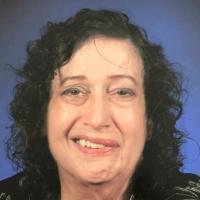
Florida · 30 yrs exp
Experienced psychologist helping people move forward
Stress, Anxiety · Grief · Anger · Depression · +15 more
Read profile
New Jersey · 20 yrs exp
Calm, practical support for life changes
Stress, Anxiety · Addictions · Parenting · Self esteem · +7 more
Read profile
Florida · 32 yrs exp
Insight-focused therapist for life changes
Stress, Anxiety · Addictions · Relationship · Family · +13 more
Read profile
Florida · 20 yrs exp
Compassionate practical care for life changes
Addictions · Relationship · Trauma and abuse · Parenting · +14 more
Read profile
Virginia · 31 yrs exp
Experienced Virginia LCSW focused on life transitions
Stress, Anxiety · Relationship · Family · Trauma and abuse · +12 more
Read profile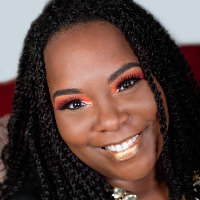
North Carolina · 30 yrs exp
Compassionate, holistic therapist for lasting change
LGBT · Relationship · Family · Trauma and abuse · +13 more
Read profile
Florida · 17 yrs exp
Compassionate counseling for everyday struggles
Stress, Anxiety · Trauma and abuse · Eating · Self esteem · +14 more
Read profile
Georgia · 25 yrs exp
Compassionate social worker focused on practical support
Stress, Anxiety · Parenting · Anger · Self esteem · +15 more
Read profileWhen you feel cut off from others, loneliness can change daily routines, affect sleep, and shift how you cope with stress. For some people, substance use becomes a way to fill social gaps or to numb uncomfortable feelings that arise when relationships change. That does not mean isolation always causes addiction, nor that addiction always leads to loneliness. Instead, the two concerns often occur together and can influence patterns of craving, relapse worries, and daily functioning at work and within family life. You may notice that social withdrawal makes cravings feel more intense because there are fewer comforting interactions, or that interpersonal strain increases pressure to use as a way to self-medicate. Recognizing these connections in your own experience can help you look for a therapist who understands both social and substance-use dimensions.
When you review profiles on this page, remember that a listed focus on Isolation / Loneliness means the therapist has indicated interest or experience with that topic. It is appropriate to talk with a therapist about how you experience cravings, behavioral patterns around use, and the way family or work responsibilities are being affected. If you are unsure whether your situation needs medical support - for example if you are at risk of withdrawal or overdose - seek immediate medical care. In the U.S., call 988 for an immediate crisis response and the SAMHSA National Helpline at 1-800-662-HELP (4357) for substance-use resources.
When you reach out for help, an initial conversation often focuses on current concerns, patterns of use, recent changes in relationships or routine, and safety. You can expect to describe how isolation shows up for you - whether as a sense of emptiness, fewer social contacts, or anxiety about being alone - and how substance use interacts with those experiences. Therapists who list addiction among their specialties often explore behavioural patterns and triggers, discuss cravings and relapse worries, and consider the ways work and family life are affected. It is reasonable to ask about how a clinician frames goals and what kinds of supports they typically discuss with people in similar situations.
Online talk therapy can be a practical way to get emotional support and to develop strategies for coping with loneliness and substance-related challenges. At the same time, online psychotherapy is not the same as medical detox, medically supervised withdrawal, or residential rehab. If you are physically dependent on a substance and face withdrawal risk, or if there is danger of overdose, you need prompt medical evaluation and care. Use crisis resources when needed, and bring any medical guidance you receive into conversations with a therapist so you can plan care that takes both medical and psychological needs into account.
Before you begin work with someone, consider specific questions that help you compare profiles and prepare for a first session. Ask about the clinician's experience with concurrent loneliness and substance-use concerns and how they typically address cravings and relapse worries in talk therapy. You can ask whether they have worked with people facing employment or family strain related to use, and how they involve social supports in care. Because profiles list academic credentials and sometimes clinical licenses, verify the difference between a degree and a license: degrees such as PhD, PsyD, MD, MA, or MSW describe academic training, while a license or registration indicates legal permission to practice in a given jurisdiction. A degree alone does not confirm current authority to provide care.
Also ask whether the therapist treats the age group or relationship type relevant to you, because a listed focus area does not necessarily mean someone treats children, couples, or families. Phrase questions concretely: How do you approach loneliness that accompanies substance use? What strategies do you use when cravings signal higher relapse risk? Do you coordinate with medical providers when withdrawal is a concern? If the profile mentions particular approaches, ask about those in neutral terms - for example, ask about therapists who list cognitive-behavioral approaches or who list EMDR among their approaches - understanding that a listed approach is not evidence of formal certification or specialty training.
When you contact a therapist, practical topics are important to address early. Confirm whether the clinician is licensed and legally permitted to work with you in your state or region, and confirm the listed location if that affects licensing rules. Discuss emergency planning and how to respond if you experience a medical crisis, withdrawal symptoms, or overdose risk between sessions. Ask how the clinician handles coordination with other providers, such as a primary care physician or addiction medicine specialist, and whether they recommend medical evaluation for withdrawal management if that might be needed.
It is also useful to talk about communication preferences and therapy style. Some people prefer an approach that focuses on skill-building for coping with cravings and social reconnection, while others want more exploratory work about relationships and meaning. Describe what feels most helpful to you and ask how the therapist typically balances practical strategies with emotional processing. Clarifying these expectations upfront helps you find a match with the therapist's stated focus areas, languages, and clinical orientation as presented in their profile. Remember that the first few conversations are as much about evaluating fit as they are about beginning treatment.
When you browse profiles, compare the details that matter most to your situation. Look at listed focus areas that include both addiction and Isolation / Loneliness so you can find clinicians who describe an interest in the intersection of social disconnection and substance-use concerns. Check the listed location and any languages noted if language access or jurisdiction matters to you. Review academic degrees and stated licenses separately: a profile may list a PhD, PsyD, MD, MA, or MSW and may also indicate a professional license or registration. Verify that the therapist holds an active license and is authorized to practice in your state or country, since a degree does not equate to current permission to provide clinical services.
Consider style descriptions and the kinds of approaches a clinician lists. If a profile indicates certain approaches, treat that information as a starting point for discussion. Ask how those approaches are used with people experiencing loneliness and substance-use issues rather than assuming a particular therapy will be applied. Think about practical questions you want answered in the first session - whether the therapist works with relational issues that affect family or work, how they address cravings and relapse prevention, and how they help people re-engage socially. Finally, be clear about information-sharing boundaries expectations and the therapist's policies on emergency contact, session limits, and coordination with other providers. Comparing profiles thoughtfully will help you choose which therapists to contact and what to raise in an initial conversation.
Deciding to reach out for help with isolation and substance-use concerns is a personal step, and the information on this page is intended to help you compare options and start conversations. Use profiles to identify clinicians whose listed focus areas, languages, credentials, and therapeutic style match what you need, verify licensing and permission to practice in your location, and bring specific questions about cravings, relapse worries, and the impact on family and work into early sessions. If you are in immediate danger or medical distress, contact emergency services. For urgent mental health crisis support in the U.S., call 988. For substance-use treatment information and referral, call the SAMHSA National Helpline at 1-800-662-HELP (4357).
Alabama
13 therapists
Alaska
2 therapists
Arizona
9 therapists
Arkansas
5 therapists
California
19 therapists
Colorado
8 therapists
Connecticut
5 therapists
Delaware
33 therapists
District of Columbia
23 therapists
Florida
1068 therapists
Georgia
389 therapists
Hawaii
3 therapists
Idaho
3 therapists
Illinois
11 therapists
Indiana
8 therapists
Iowa
4 therapists
Kansas
2 therapists
Kentucky
5 therapists
Louisiana
11 therapists
Maine
2 therapists
Maryland
134 therapists
Massachusetts
3 therapists
Michigan
8 therapists
Minnesota
2 therapists
Mississippi
4 therapists
Missouri
5 therapists
Nebraska
1 therapist
Nevada
2 therapists
New Hampshire
3 therapists
New Jersey
8 therapists
New Mexico
2 therapists
New York
18 therapists
North Carolina
364 therapists
Ohio
15 therapists
Oklahoma
1 therapist
Oregon
1 therapist
Pennsylvania
20 therapists
Rhode Island
1 therapist
South Carolina
155 therapists
Tennessee
11 therapists
Texas
28 therapists
Utah
7 therapists
Vermont
2 therapists
Virginia
166 therapists
Washington
5 therapists
West Virginia
39 therapists
Wisconsin
4 therapists
Wyoming
1 therapist