
Cheryl Marrow
LPC, LMFTDistrict of Columbia · 25 yrs exp
Experienced counselor for addiction and relationship change
Addictions · Relationship · Family · Intimacy-related issues · +4 more
Read profileTherapist listings come from BetterHelp. We will earn a commission, at no additional cost to you, if you purchase through our links.
This directory groups profiles by listed location so you can compare therapists who list addiction and substance-use concerns in the District of Columbia. Review focus areas, languages, academic degrees and therapeutic approaches, then browse individual profiles to learn more.
Check each profile carefully and confirm a therapist's permission to work with you where you live before beginning care.
District of Columbia · 25 yrs exp
Experienced counselor for addiction and relationship change
Addictions · Relationship · Family · Intimacy-related issues · +4 more
Read profile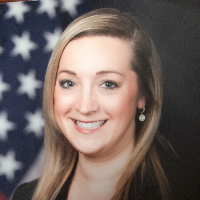
District of Columbia · 15 yrs exp
Practical, strengths-focused counseling for relationships and addiction
Relationship · Family · Trauma and abuse · Self esteem · +12 more
Read profile
District of Columbia · 19 yrs exp
Compassionate counseling for addiction and life change
Addictions · LGBT · Relationship · Trauma and abuse · +11 more
Read profile
District of Columbia · 30 yrs exp
Compassionate support for life transitions
Stress, Anxiety · Relationship · Self esteem · Depression · +12 more
Read profile
District of Columbia · 10 yrs exp
Support for addiction and life changes
Stress, Anxiety · Addictions · Self esteem · Depression · +11 more
Read profile
District of Columbia · 20 yrs exp
Strength-based care for stress and recovery
Stress, Anxiety · Relationship · Trauma and abuse · Parenting · +13 more
Read profile
District of Columbia · 20 yrs exp
Therapist focused on practical healing
Relationship · Family · Trauma and abuse · Depression · +14 more
Read profile
District of Columbia · 23 yrs exp
Practical support for grief and life changes
Stress, Anxiety · Grief · Self esteem · Depression · +14 more
Read profile
District of Columbia · 25 yrs exp
Experienced therapist for life transitions
Stress, Anxiety · Addictions · Family · Trauma and abuse · +13 more
Read profile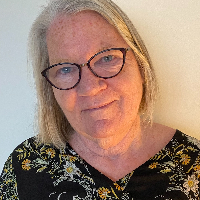
District of Columbia · 30 yrs exp
Experienced LICSW focused on practical recovery
Family · Parenting · Career · Coping with life changes · +13 more
Read profile
District of Columbia · 14 yrs exp
Compassionate counseling for addiction and relationships
Stress, Anxiety · Relationship · Trauma and abuse · Anger · +10 more
Read profile
District of Columbia · 20 yrs exp
Focused addiction and trauma support
Addictions · LGBT · Trauma and abuse · Depression · +12 more
Read profile
District of Columbia · 25 yrs exp
Experienced LICSW focusing on addictions and trauma
Stress, Anxiety · Relationship · Trauma and abuse · Grief · +9 more
Read profile
District of Columbia · 5 yrs exp
Compassionate LICSW for practical change
Stress, Anxiety · Relationship · Family · Self esteem · +11 more
Read profile
District of Columbia · 26 yrs exp
Compassionate counselor focused on practical change
Stress, Anxiety · Trauma and abuse · Self esteem · Depression · +7 more
Read profile
District of Columbia · 10 yrs exp
Calm, practical help for stress and addiction recovery
Stress, Anxiety · Relationship · Depression · Coping with life changes · +5 more
Read profile
District of Columbia · 24 yrs exp
Experienced LICSW focusing on practical recovery and coping
Stress, Anxiety · Relationship · Family · Trauma and abuse · +15 more
Read profile
District of Columbia · 10 yrs exp
Experienced LICSW focused on practical results
Stress, Anxiety · Family · Trauma and abuse · Grief · +12 more
Read profile
District of Columbia · 30 yrs exp
Empathetic counselor with long experience
Stress, Anxiety · Addictions · Trauma and abuse · Parenting · +15 more
Read profile
District of Columbia · 4 yrs exp
Compassionate help for stress and life change
Stress, Anxiety · Family · Grief · Self esteem · +11 more
Read profile
District of Columbia · 10 yrs exp
Compassionate support for practical change
Stress, Anxiety · Addictions · Depression · LGBT · +9 more
Read profile
District of Columbia · 3 yrs exp
Practical, strengths-based care for everyday struggles
Stress, Anxiety · Self esteem · ADHD · Addictions · +5 more
Read profile
District of Columbia · 29 yrs exp
Compassionate counselor for addiction and relationships
Addictions · Relationship · Intimacy-related issues · Parenting · +1 more
Read profileWhen you look for a therapist about addiction or substance-use concerns you are likely thinking about patterns of use, cravings, relapse worries and the effects on relationships, work and daily functioning. You may be trying to understand whether your use is a response to stress, mood changes or physical tolerance. You might also be managing behavioral patterns such as gambling, compulsive online activity or other behaviors you and others feel are causing harm. It helps to write a short description of what you want to address - specific behaviors, triggers, moments when cravings are strongest and the consequences you want to change. Being specific about goals - for example, improving coping with cravings, repairing relationships or reducing use in particular situations - gives you and any therapist a clearer starting point.
Be mindful that online talk therapy in this directory is not a substitute for medical detox, medically supervised withdrawal or residential treatment. If you are at risk of withdrawal or overdose you should seek immediate medical care. If you are in crisis call 988 for immediate support, or contact the SAMHSA National Helpline at 1-800-662-HELP (4357) for treatment referrals and guidance.
Profiles here are grouped under a listed location that may reflect where a therapist works or the area they record for their practice. A listed location is not proof of a physical office nearby, an active license in your state or automatic permission to provide services where you live. You should open an individual profile to see the details the therapist provides and then ask the therapist directly whether they are permitted to work with you in your jurisdiction.
When you review credentials remember to distinguish academic degrees from professional licenses or registrations. Degrees such as PhD, PsyD, MD, MA and MSW describe educational achievements and do not, by themselves, confirm current permission to practice. Licenses and regulated credentials are the markers that indicate legal authority to provide clinical services in a state. The profile may name degrees and list professional titles, but you should verify a license's status and scope with the therapist and with the appropriate state licensing board if that is important to you.
Therapy approaches are options to discuss, not guarantees of a particular outcome. Many profiles list therapeutic approaches or models; a listing shows what a therapist uses or references, and not necessarily a certification or official training. You can ask practical questions that clarify how the therapist would work with you. Ask how they typically address cravings and relapse prevention, what kinds of skills or homework they recommend between sessions, and how they support you in moments when urges are intense. You might inquire how they include loved ones in care if relationship impact is a concern, or whether they work with co-occurring conditions like anxiety or depression.
Also ask about experience with populations or life stages that match your needs. A therapist's academic degree and years in practice give background context, but specific experience supporting people with substance-use concerns or particular patterns of use is what you will want to hear about. Phrase questions to invite examples - for instance, ask how they helped someone manage triggers in work settings or how they support clients returning to treatment after a relapse. This will help you sense whether their style and focus fit what you want to address.
Before beginning online talk therapy, talk about practical and clinical boundaries so you know what to expect. Confirm whether the therapist is authorized to practice in your state and ask about how they handle emergency situations, including times when you might be at risk of withdrawal or overdose. Clarify whether they will coordinate with medical providers, prescribing clinicians or local services if you need medication-assisted treatment or crisis stabilization. Discuss session frequency and how the therapist monitors progress toward the goals you set together.
It is also useful to discuss communication norms - how they handle messages between sessions, how to reschedule, and what constitutes an urgent concern. If family or workplace consequences are part of your situation, ask how the therapist approaches information-sharing boundaries within those conversations and whether they can support conversations with family members or recommend additional resources. Remember that discussing boundaries and logistics upfront reduces uncertainty and helps you focus on the therapeutic work.
When comparing profiles, focus on concrete differences that matter to you. Look for stated focus areas that match your primary concerns, such as substance-use types, relapse prevention or related mental health issues. Review listed languages if you prefer to speak in a language other than English. Note academic degrees for context but check whether the therapist also lists a professional license or registration that authorizes clinical practice where you live.
Pay attention to how therapists describe their therapeutic style. Some profiles describe a directive, skills-focused approach while others emphasize exploration and relational work. If a profile mentions modalities - for example, cognitive-behavioral strategies or trauma-informed care - treat that as a starting point for a conversation. You can ask a therapist to describe a typical first month of sessions and how they adapt methods to match your needs. Also consider practical fit - whether the therapist works with your age group or life stage, whether they note experience with co-occurring conditions, and whether their stated approach aligns with the goals you wrote down earlier. Comparing profiles this way helps you identify a few therapists to contact and discuss permissions, scope of practice and how they would address your specific concerns.
Across each step of your search, verify details directly with the therapist. Confirm they have permission to work with you in your location, discuss how they handle crises and coordinate care, and ask the specific questions that matter to your situation. With clear information you can make an informed decision about whether to move forward with a particular therapist and what to expect from the first sessions.
Addictions
2633 therapists
Anger
2031 therapists
Compulsion
705 therapists
Control Issues
1173 therapists
Depression
2457 therapists
Gambling
606 therapists
Grief
2047 therapists
Guilt and Shame
1640 therapists
Impulsivity
1043 therapists
Isolation / Loneliness
1526 therapists
Mood Disorders
1422 therapists
Post-Traumatic Stress
1485 therapists
Self Esteem
2348 therapists
Smoking
298 therapists
Stress & Anxiety
2538 therapists
Trauma and Abuse
2219 therapists