
Anne Douglas
LMFTNorth Carolina · 25 yrs exp
Expert therapist for life transitions
Stress, Anxiety · Relationship · Family · Grief · +15 more
Read profileTherapist listings come from BetterHelp. We will earn a commission, at no additional cost to you, if you purchase through our links.
This directory page groups profiles of clinicians who list Coping with Life Changes along with addiction and substance-use concerns. Use the profiles to compare focus areas, approaches, academic degrees, professional licenses, listed location and languages before you dig deeper into a clinician's background.
North Carolina · 25 yrs exp
Expert therapist for life transitions
Stress, Anxiety · Relationship · Family · Grief · +15 more
Read profile
Texas · 20 yrs exp
Experienced counselor for addiction and life changes
Stress, Anxiety · LGBT · Relationship · Self esteem · +16 more
Read profile
Georgia · 20 yrs exp
Practical support for stress and addiction recovery
Stress, Anxiety · Addictions · Relationship · Self esteem · +12 more
Read profile
California · 14 yrs exp
Change your story with steady support
Stress, Anxiety · Relationship · Family · Intimacy-related issues · +9 more
Read profile
Texas · 13 yrs exp
Practical, skills-focused therapy with steady support
Stress, Anxiety · Relationship · Trauma and abuse · Anger · +11 more
Read profile
Florida · 20 yrs exp
Experienced counselor focused on addiction recovery and family impact
Stress, Anxiety · Addictions · Relationship · Self esteem · +16 more
Read profile
New York · 13 yrs exp
Compassionate support for addiction and trauma recovery
Relationship · Trauma and abuse · Grief · Self esteem · +9 more
Read profile
South Carolina · 14 yrs exp
Goal-focused LCSW helping with addiction and mood
Stress, Anxiety · Parenting · Depression · Addictions · +14 more
Read profile
Georgia · 8 yrs exp
Compassionate counselor for stress and recovery
Stress, Anxiety · Relationship · Family · Grief · +11 more
Read profile
North Carolina · 28 yrs exp
Compassionate counselor for addiction and mood
Stress, Anxiety · Addictions · LGBT · Depression · +12 more
Read profile
Florida · 25 yrs exp
Practical therapy for trauma and relationship struggles
Relationship · Trauma and abuse · Grief · Anger · +12 more
Read profile
Maryland · 6 yrs exp
Compassionate support for stress and addiction recovery
Stress, Anxiety · Trauma and abuse · Self esteem · Coping with life changes · +10 more
Read profile
Florida · 23 yrs exp
Experienced counselor focusing on recovery and practical change
Stress, Anxiety · Addictions · Self esteem · Depression · +10 more
Read profile
Maryland · 10 yrs exp
Therapist focused on practical recovery and growth
Stress, Anxiety · Relationship · Family · Intimacy-related issues · +12 more
Read profile
Pennsylvania · 12 yrs exp
Healing focused and goal oriented
Stress, Anxiety · Relationship · Self esteem · Depression · +11 more
Read profile
North Carolina · 10 yrs exp
Faith-informed clinical social worker focusing on recovery
Stress, Anxiety · Relationship · Family · Bipolar · +16 more
Read profile
Virginia · 9 yrs exp
Compassionate counselor blending life experience and counseling methods
Stress, Anxiety · Relationship · Self esteem · Depression · +7 more
Read profile
Florida · 8 yrs exp
Practical, goal-focused therapy for life changes
Stress, Anxiety · Relationship · Family · Self esteem · +12 more
Read profile
New York · 9 yrs exp
Practical, compassionate support for adults
Stress, Anxiety · Anger · Self esteem · Depression · +13 more
Read profile
Florida · 26 yrs exp
Seasoned therapist focused on steady, practical support
Stress, Anxiety · Relationship · Anger · Depression · +13 more
Read profile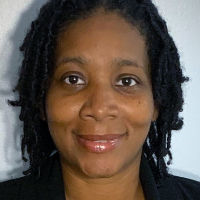
Florida · 13 yrs exp
Compassionate counselor focused on practical change
Stress, Anxiety · Anger · Depression · Coping with life changes · +13 more
Read profile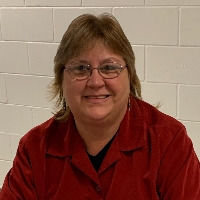
Florida · 3 yrs exp
Compassionate counselor focused on real-life change
Stress, Anxiety · Family · Trauma and abuse · Self esteem · +15 more
Read profile
Florida · 30 yrs exp
Experienced counselor focusing on practical recovery
Stress, Anxiety · Trauma and abuse · Bipolar · Depression · +16 more
Read profile
Louisiana · 22 yrs exp
Compassionate, practical support for life challenges
Stress, Anxiety · Relationship · Family · Grief · +11 more
Read profileWhen you look for support with coping after a major life change, you may also be thinking about substance use, patterns of behavior that feel out of control, cravings or worries about relapse. Those issues can affect how you feel at work, the roles you play in relationships and the day-to-day routines that once felt manageable. You may notice changes in sleep, appetite, energy or motivation, or find that alcohol or other substances are being used to manage stress, numb difficult feelings or avoid new responsibilities. Talking about these experiences in nonjudgmental terms can help you and a clinician clarify immediate safety needs, ongoing challenges and the kinds of strategies that could fit your life.
You do not need a diagnosis to reach out for help. Profiles on this page are a way to discover clinicians who list Coping with Life Changes together with addiction and substance-use concerns as areas they address. Reading profiles can help you identify clinicians whose focus areas and language match what you are experiencing, and who describe approaches you would like to learn more about in a consultation.
Life changes such as job loss, relationship endings, moving, becoming a parent, medical issues or bereavement can shift routines and supports. For some people these changes coincide with shifts in substance use or the emergence of behaviors that feel risky. It is important to remember that a listing of both topics in a clinician's profile does not establish a cause-effect relationship. Instead, the pairing signals that the clinician reports experience addressing both the stressors of transition and concerns about substance use in their work.
You may be weighing how coping strategies, emotional responses and day-to-day stressors interact. A clinician can help you explore patterns without assuming they caused the change or the substance use. If you are worried about cravings or relapse, bring those concerns into early conversations so you can discuss how sessions would address urges, triggers and planning for moments of higher risk. If family, parenting or work obligations are affected, you can ask how a clinician typically supports people navigating those specific pressures while also addressing substance-use concerns.
When you review profiles, think of concrete questions that will tell you whether a clinician’s approach and experience match what you need. Ask how they typically work with people who describe cravings, relapse worries or patterned substance use, and whether they have experience supporting those whose work or family life is affected. You might ask about the kinds of short-term goals they set and how they measure progress in ways that matter to you. If you see particular approaches listed, you can inquire about how those approaches may be used in practice. For example, you can ask how clinicians who list EMDR among their approaches integrate it with relapse prevention, or how clinicians who list motivational strategies incorporate them when someone is ambivalent about change.
Distinguish academic degrees from licensing. Degrees such as PhD, PsyD, MD, MA or MSW describe academic training but do not by themselves indicate current permission to practice in your state. You should confirm a clinician’s professional license or registration and that they are authorized to work with you in your listed location. Ask whether they have experience with the specific population you represent, because a listed topic does not automatically mean they work with children, couples or families unless that is specified in the profile or discussed directly.
Before you begin, have a conversation about how online talk therapy would handle safety, coordination with medical providers and situations that require in-person medical care. Online talk therapy is not detox, medically supervised withdrawal or residential rehab. If you are at risk of withdrawal or overdose, you need medical evaluation and care right away. In the United States, call 911 in an emergency, dial 988 for immediate mental health crisis support, or call the SAMHSA National Helpline at 1-800-662-HELP (4357) for information about local treatment resources. Make these concerns clear when you first contact a clinician so they can describe how they would support you and whether they would coordinate with your medical team.
Also talk about practical matters you care about. Discuss how the clinician documents sessions and with whom they may communicate in urgent situations. Ask how they handle scheduling across time zones and what to do if a technology issue interrupts a session. If family members or an employer are involved, discuss boundaries for what will be shared and how you might involve others. Because policies and permissions vary, verify that the clinician is licensed to practice in your location and that their listed location aligns with where they are permitted to work with you.
Use profiles to compare how clinicians describe their focus areas and the words they use to describe their work. Look for clinicians who explicitly mention substance-use concerns, coping with transitions, or the particular challenges you face. Notice the languages listed, as that can make a meaningful difference if you prefer to speak in a language other than English. Review academic degrees such as PhD, PsyD, MD, MA or MSW and then follow up to confirm the current professional license or registration. A degree is part of professional background but it does not by itself show legal permission to practice where you live.
Pay attention to the tone of a profile and what it suggests about the clinician’s style. Some clinicians emphasize skills-based coping and relapse prevention, others emphasize exploring life meaning around transitions, and some describe coordinating care with medical providers or family supports. If a clinician lists particular populations or settings, ask whether that means they routinely work with those groups. When you have a shortlist, reach out to ask the concrete questions you identified earlier so you can compare how clinicians describe working with cravings, behavioural patterns, workplace or family impacts and planning for moments of high risk.
Browsing profiles can help you narrow choices and shape the questions to bring to an initial conversation. Focus on matching your needs to what a clinician lists in focus areas, approaches, credentials and languages, and verify their license and permission to practice in your location. If you are facing withdrawal risk or an immediate safety concern, seek urgent medical help or use the crisis resources provided above. When you start a dialogue with a clinician, candidly describe your current situation, your goals and the supports you need so you can decide whether to move forward together.
Alabama
13 therapists
Alaska
2 therapists
Arizona
9 therapists
Arkansas
5 therapists
California
19 therapists
Colorado
8 therapists
Connecticut
5 therapists
Delaware
33 therapists
District of Columbia
23 therapists
Florida
1068 therapists
Georgia
389 therapists
Hawaii
3 therapists
Idaho
3 therapists
Illinois
11 therapists
Indiana
8 therapists
Iowa
4 therapists
Kansas
2 therapists
Kentucky
5 therapists
Louisiana
11 therapists
Maine
2 therapists
Maryland
134 therapists
Massachusetts
3 therapists
Michigan
8 therapists
Minnesota
2 therapists
Mississippi
4 therapists
Missouri
5 therapists
Nebraska
1 therapist
Nevada
2 therapists
New Hampshire
3 therapists
New Jersey
8 therapists
New Mexico
2 therapists
New York
18 therapists
North Carolina
364 therapists
Ohio
15 therapists
Oklahoma
1 therapist
Oregon
1 therapist
Pennsylvania
20 therapists
Rhode Island
1 therapist
South Carolina
155 therapists
Tennessee
11 therapists
Texas
28 therapists
Utah
7 therapists
Vermont
2 therapists
Virginia
166 therapists
Washington
5 therapists
West Virginia
39 therapists
Wisconsin
4 therapists
Wyoming
1 therapist