
Lorraine Helferich
LCPCMaryland · 6 yrs exp
Compassionate support for stress and addiction recovery
Stress, Anxiety · Trauma and abuse · Self esteem · Coping with life changes · +10 more
Read profileTherapist listings come from BetterHelp. We will earn a commission, at no additional cost to you, if you purchase through our links.
Browse profiles of therapists who list addiction and substance-use concerns in Maryland. Compare credentials, professional approaches, languages, and focus areas to find profiles that match what you need.
Review each listed profile carefully and confirm the therapist's permission to work with you in your location before beginning any sessions.
Maryland · 6 yrs exp
Compassionate support for stress and addiction recovery
Stress, Anxiety · Trauma and abuse · Self esteem · Coping with life changes · +10 more
Read profile
Maryland · 10 yrs exp
Therapist focused on practical recovery and growth
Stress, Anxiety · Relationship · Family · Intimacy-related issues · +12 more
Read profile
Maryland · 25 yrs exp
Compassionate counselor focused on practical change
Stress, Anxiety · Addictions · Relationship · Grief · +12 more
Read profile
Maryland · 6 yrs exp
Compassionate, practical therapy for life challenges
Stress, Anxiety · Addictions · Relationship · Family · +16 more
Read profile
Maryland · 28 yrs exp
Practical guidance for stress and addiction recovery
Stress, Anxiety · Addictions · Depression · Relationship · +8 more
Read profile
Maryland · 13 yrs exp
Compassionate, practical therapy for life changes
Stress, Anxiety · Relationship · Family · Trauma and abuse · +14 more
Read profile
Maryland · 25 yrs exp
Compassionate therapy for addiction and mood concerns
Stress, Anxiety · Addictions · Trauma and abuse · Grief · +8 more
Read profile
Maryland · 46 yrs exp
Seasoned LCSW-C focused on practical recovery
Stress, Anxiety · Grief · Depression · Coping with life changes · +15 more
Read profile
Maryland · 27 yrs exp
Change-focused counselor for adults
Stress, Anxiety · Addictions · Relationship · Intimacy-related issues · +1 more
Read profile
Maryland · 10 yrs exp
Compassionate counselor focused on practical change
Stress, Anxiety · Addictions · Relationship · Career · +1 more
Read profile
Maryland · 16 yrs exp
Practical therapy for stress and addiction challenges
Stress, Anxiety · Relationship · Trauma and abuse · Career · +2 more
Read profile
Maryland · 14 yrs exp
Compassionate support for recovery and personal growth
Stress, Anxiety · Addictions · Trauma and abuse · Self esteem · +1 more
Read profile
Maryland · 30 yrs exp
Calm, experienced support for life transitions
Stress, Anxiety · Addictions · Relationship · Self esteem · +1 more
Read profile
Maryland · 10 yrs exp
Compassionate support for stress and addiction recovery
Stress, Anxiety · Addictions · Relationship · Trauma and abuse · +1 more
Read profile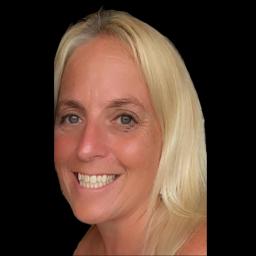
Maryland · 3 yrs exp
Compassionate, practical support for mood and addiction concerns
Grief · Bipolar · Depression · Stress, Anxiety · +6 more
Read profile
Maryland · 13 yrs exp
Compassionate support for people ready to change
Stress, Anxiety · Addictions · Grief · Self esteem · +7 more
Read profile
Maryland · 14 yrs exp
Experienced counselor focused on practical change
Stress, Anxiety · Self esteem · Depression · Addictions · +11 more
Read profile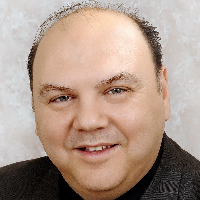
Maryland · 30 yrs exp
Compassionate, practical help for addictions and stress
Stress, Anxiety · Trauma and abuse · Anger · Bipolar · +9 more
Read profile
Maryland · 15 yrs exp
Practical, skills-focused counseling for life challenges
Stress, Anxiety · Self esteem · Career · Coaching · +8 more
Read profile
Maryland · 10 yrs exp
Practical, person-focused therapy for life challenges
Stress, Anxiety · Trauma and abuse · Eating · Self esteem · +16 more
Read profile
Maryland · 10 yrs exp
Supportive LCPC helping adults move forward
Stress, Anxiety · Grief · Eating · Self esteem · +12 more
Read profile
Maryland · 5 yrs exp
Compassionate therapy for addiction and trauma recovery
Trauma and abuse · Self esteem · Depression · Compassion fatigue · +11 more
Read profile
Maryland · 25 yrs exp
Compassionate counselor focused on practical change
Stress, Anxiety · Family · Parenting · Self esteem · +11 more
Read profile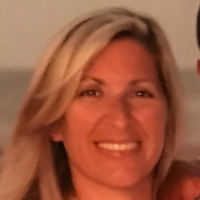
Maryland · 25 yrs exp
Supportive LCSW-C focused on practical change
Stress, Anxiety · Family · Parenting · Depression · +11 more
Read profileWhen you are looking for help with substance use, cravings, patterns of impulsive behaviour, worries about relapse, or the strain these issues place on family and work, it helps to start by clarifying what you want from care. Some people seek strategies to reduce use or to manage cravings. Others come to address underlying stress, trauma, mood, or relationship dynamics that interact with substance use. Online talk therapy can be a practical place to explore those topics, practice coping skills, and get support for behavioral change. It is important to recognize that online therapy is not a substitute for medically supervised withdrawal, detox, or residential treatment. If you are at risk of severe withdrawal or overdose you need immediate medical attention. For urgent crisis help in the United States call 988, and for substance-use-related assistance call the SAMHSA National Helpline at 1-800-662-HELP (4357).
As you read profiles, think about the kinds of goals you have and how a clinician’s stated focus areas align with them. Descriptions that mention cravings, triggers, relapse prevention, or family impact can indicate topics they commonly work with, but they do not guarantee suitability for every situation. You will want to bring specific examples of your experience to an initial conversation so the clinician can explain whether and how they can support you.
A profile grouped under Maryland means the clinician has a listed location connected to that state, but it does not necessarily prove an office address, active licensure in Maryland, or that the clinician can legally provide care to every resident there. You should check the individual profile and then confirm directly with the clinician whether they have permission to work with you in the state where you live.
Profiles often display academic degrees such as PhD, PsyD, MD, MA, or MSW. These degrees describe a clinician’s educational background, but a degree alone does not establish current legal permission to practice. Licensing or registration varies by state and can include titles like licensed clinical social worker, licensed professional counselor, psychologist, or physician. Ask a clinician to clarify their current license type, the state or states where it is valid, and any registrations that are relevant to online practice. Do not assume an academic title equals current licensure or authorization to provide care where you live.
Also be aware that a listed specialty such as Addictions indicates the clinician identifies that area among their work, but it is not evidence of a specific certification, diagnostic capability, or guaranteed outcomes. Use credentials and listed locations as starting points for questions rather than definitive proof of fit.
Before you commit to working with someone, prepare clear, concrete questions that will help you compare profiles on substance-use focus and clinical style. Ask how they typically work with people who experience cravings or repeated use, and request examples of the kinds of techniques or conversations they might use. If you are curious about a particular approach mentioned in a profile, such as motivational interviewing or family systems work, ask the clinician to describe what that means in practice and how often they use it. If a profile lists EMDR, internal family system concepts, or cognitive-behavioral approaches, request a plain-language explanation of what therapists who list those approaches typically focus on, and what you might expect in a session.
Inquire about prior experience with issues similar to yours without asking for identifying client stories. You can ask whether they have worked with people managing withdrawals, cravings, or co-occurring mental health concerns, and whether they coordinate care with medical providers when needed. Ask how they measure progress and how long people typically work with them to address the issues you brought up. These conversations will give you a clearer sense of whether the clinician’s approach aligns with your needs and preferences.
Before beginning online sessions, have an upfront conversation about the practical and safety-related elements of care. Confirm that the clinician is authorized to provide services in your state and understand any limits to the types of support they can offer remotely. Discuss how they handle emergencies or situations involving high risk, and whether they will coordinate with local medical or crisis services when appropriate. If you are taking medication, undergoing detox, or have recent health complications related to substance use, clarify how they will work with your prescriber or treatment team.
Talk about privacy in the context of your environment and ask what the clinician expects from you regarding interruption-free time and a quiet setting for sessions. If you require language support or prefer a particular therapeutic style - more directive coaching versus exploratory psychotherapy, for example - bring this up so you can judge fit. Also discuss typical session length and how they provide follow-up or between-session support if needed. These conversations help set expectations and reduce misunderstandings about what online talk therapy can provide and what it cannot.
When comparing profiles, look beyond broad labels and seek details that matter to your situation. Focus areas that mention cravings, relapse prevention, family impact, co-occurring anxiety or depression, or behavioral patterns can help you identify clinicians whose stated interests match your concerns. Take note of languages listed in profiles if communicating in a language other than English is important to you. Language fluency can affect nuance and comfort in sessions, so consider it a meaningful factor in your comparison.
Evaluate credentials by distinguishing academic degrees from professional licenses or registrations. A PhD or MD signals particular academic training, while a license indicates a current legal framework for practice. Ask clinicians to name the license they hold and the state where it is valid, and confirm whether they are authorized to provide online care to residents of your state. Consider therapeutic style as described in profiles - whether clinicians emphasize practical skill-building, relational exploration, trauma-informed care, or family systems - and imagine how that style aligns with your goals. Remember that a profile listing a modality does not prove training or certification in that approach; it simply indicates that the clinician lists that approach among their tools.
Ultimately, use profiles to narrow choices and guide conversations. Schedule an initial consultation or contact the clinician to address the specific questions you have about how they work, their permissions to practice in Maryland or your location, and how they handle situations that may require medical or crisis intervention. By asking precise questions and comparing the concrete elements of each profile, you can make a more informed decision about who to speak with about addiction and substance-use concerns in Maryland.
Addictions
2633 therapists
Anger
2031 therapists
Compulsion
705 therapists
Control Issues
1173 therapists
Depression
2457 therapists
Gambling
606 therapists
Grief
2047 therapists
Guilt and Shame
1640 therapists
Impulsivity
1043 therapists
Isolation / Loneliness
1526 therapists
Mood Disorders
1422 therapists
Post-Traumatic Stress
1485 therapists
Self Esteem
2348 therapists
Smoking
298 therapists
Stress & Anxiety
2538 therapists
Trauma and Abuse
2219 therapists