
Brigette DaBiere
LCSWTennessee · 25 yrs exp
Experienced LCSW for practical change
Stress, Anxiety · Addictions · Anger · Bipolar · +10 more
Read profileTherapist listings come from BetterHelp. We will earn a commission, at no additional cost to you, if you purchase through our links.
Browse profiles of therapists listed in Tennessee who include addictions among their focus areas. Compare focus areas, approaches, academic degrees and languages, then view individual profiles and confirm permission to work together where you live.
Tennessee · 25 yrs exp
Experienced LCSW for practical change
Stress, Anxiety · Addictions · Anger · Bipolar · +10 more
Read profile
Tennessee · 9 yrs exp
Compassionate clinician focused on recovery
Addictions · Trauma and abuse · Eating · Depression · +9 more
Read profile
Tennessee · 15 yrs exp
Compassionate therapist focusing on practical healing
Stress, Anxiety · LGBT · Family · Trauma and abuse · +16 more
Read profile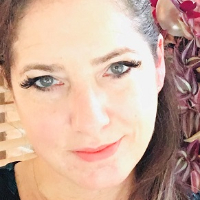
Tennessee · 5 yrs exp
Therapist who blends practical skills and warmth
Stress, Anxiety · Relationship · Anger · Self esteem · +7 more
Read profile
Tennessee · 9 yrs exp
Focused help for life’s difficult moments
Stress, Anxiety · Trauma and abuse · Grief · Self esteem · +13 more
Read profile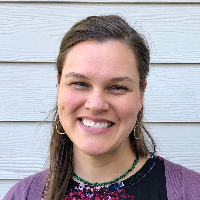
Tennessee · 4 yrs exp
Compassionate, practical care for addictions and trauma
Stress, Anxiety · Addictions · Trauma and abuse · Grief · +12 more
Read profile
Tennessee · 8 yrs exp
Practical, down-to-earth support for making change
Stress, Anxiety · Depression · Coping with life changes · Addictions · +10 more
Read profile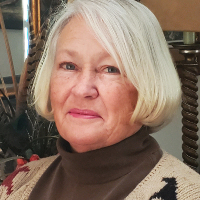
Tennessee · 15 yrs exp
Compassionate social worker for life challenges
Stress, Anxiety · Parenting · Anger · Self esteem · +12 more
Read profile
Tennessee · 27 yrs exp
Experienced counselor for addiction and mood concerns
Stress, Anxiety · Addictions · Relationship · Anger · +5 more
Read profile
Tennessee · 14 yrs exp
Practical support for addiction and life change
Stress, Anxiety · Addictions · Grief · Intimacy-related issues · +7 more
Read profile
Tennessee · 6 yrs exp
Compassionate skills-based care for everyday challenges
Stress, Anxiety · Addictions · Self esteem · LGBT · +4 more
Read profileIf you are worrying about cravings, changing patterns of substance use, or the effects on your family and work, you are not alone in looking for professional support. Therapy can help you explore motivations, coping strategies, triggers and relationship impacts in a one-on-one setting. Talk therapy is aimed at helping you process emotions, build skills and plan for challenges, but it is not a substitute for medically supervised withdrawal or inpatient care. If you are at risk of withdrawal or overdose, or if you need immediate medical attention, seek emergency medical help right away. For an immediate mental health or substance-use crisis you can call or text 988. For treatment referral and information, call the SAMHSA National Helpline at 1-800-662-HELP (4357).
When you begin your search, focus on the practical consequences you want to address. You might be looking to reduce use, to manage urges and cravings, to repair relationships, or to manage co-occurring anxiety or depression. Describe the day-to-day effects you experience - sleep disruption, workplace challenges, family conflict, or legal concerns - and look for profiles that describe experience with those kinds of impacts. Remember that a therapist listing addictions among their topics indicates interest or experience, not a guarantee of a particular certification, treatment outcome or an ability to treat every type of situation.
Profiles on this site are grouped under a listed location such as Tennessee to help you find clinicians who identify that area with their practice. A listed location does not by itself prove an office address, an active license in every setting, or automatic permission to work with every resident of the state. You should check the individual profile and confirm permission to work together where you live before beginning services.
Academic degrees and professional licenses are different but both matter. Degrees such as PhD, PsyD, MD, MA and MSW indicate the level and type of academic training a clinician completed. Licenses and registrations are issued by state boards and are what establish legal permission to practice. A degree alone does not confirm current permission to practice in Tennessee or elsewhere. When you review a profile, note any listed academic degree and also ask the clinician about their current licensure, the state or states where they are authorized to provide care, and whether they hold a license that covers the kind of service you are seeking. This is especially important for online care across state lines, since regulations vary.
Before you contact a clinician, prepare a handful of concrete questions that matter for your situation. Ask whether the clinician has experience working with the particular substances or patterns you are concerned about and whether they have supported people facing strong cravings or repeated relapse worries. Ask how they typically address family or workplace impacts and whether they have experience with co-occurring conditions, such as anxiety, depression or trauma, which often influence substance-use patterns.
When it comes to therapeutic approach, remember that profiles may list a range of approaches. You can ask whether they use cognitive-behavioral techniques, motivational interviewing, mindfulness strategies, contingency management, or whether they work with therapists who list EMDR among their approaches as an option to address trauma-related symptoms. Phrase these as options to discuss rather than assumptions about training. Also ask how they view goals - whether you will focus on harm reduction, abstinence, relapse prevention planning, or other outcomes - and how you and the clinician will measure progress. If medications are part of your plan, ask how they coordinate with prescribers and whether they have experience supporting people using medication-assisted treatment.
If you are considering online sessions from Tennessee, clarify practical and safety details up front. Confirm that the clinician has permission to work with you in your location and ask what platform or technology they use so you can ensure it works for you. Discuss how emergencies will be handled during a session - for example, what steps will be taken if you report planning to harm yourself or are experiencing severe withdrawal symptoms. Establish an emergency contact and a local plan for obtaining medical care, since online talk care does not provide medical detox or continuous medical monitoring.
Talk about expectations for session frequency and duration as a plan to get started, but avoid relying on published availability notes; instead ask how they typically structure early sessions to assess needs. If you are concerned about information-sharing boundaries of communications, ask about their policies and the technical safeguards they use to protect your information. Clarify how they handle notes, messaging between sessions and what to do if you need to change or end the relationship. If family members will be involved in sessions, discuss consent, boundaries and what roles relatives might play in your plan. These conversations help you decide whether a clinician's style and processes match what you need.
When you view multiple profiles, focus on meaningful differences rather than general statements. Compare which clinicians list addictions or substance-use concerns among their focus areas and whether they specify the substances or behaviors they commonly address. Notice whether they mention experience with related issues you face - for example, trauma, chronic pain, or legal and employment consequences. Look for listed client populations such as adults, older adults, or adolescents, but remember that a listed topic does not establish that the therapist treats children, couples, or families; ask the clinician directly if you need care for specific family arrangements.
Language and cultural fit matter. If you prefer to work in a language other than English, look for profiles that list that language and ask about conversational fluency. Read descriptions of therapeutic style to see whether a clinician emphasizes a directive, supportive, skills-based or exploratory approach, and think about which style might fit your needs. Consider academic degrees and also ask about licensure and permission to practice in Tennessee, since a PhD, PsyD or MSW alone does not guarantee current licensing status. Finally, compare how each clinician describes coordination with medical providers, family involvement and their approach to relapse planning. Use these differences to decide which profiles to open and which questions to bring to an initial conversation.
Finding the right match may take time, and it's normal to contact more than one clinician's profile to ask targeted questions. Always confirm licensing and permission to work together where you live before beginning care, and if you are in immediate danger or facing medical withdrawal risks, get emergency medical help now. For an urgent mental health or substance-use crisis, call or text 988. For treatment referral and information, call the SAMHSA National Helpline at 1-800-662-HELP (4357).
Addictions
2633 therapists
Anger
2031 therapists
Compulsion
705 therapists
Control Issues
1173 therapists
Depression
2457 therapists
Gambling
606 therapists
Grief
2047 therapists
Guilt and Shame
1640 therapists
Impulsivity
1043 therapists
Isolation / Loneliness
1526 therapists
Mood Disorders
1422 therapists
Post-Traumatic Stress
1485 therapists
Self Esteem
2348 therapists
Smoking
298 therapists
Stress & Anxiety
2538 therapists
Trauma and Abuse
2219 therapists