Tony Byrd, LMHC
Therapist in Florida
Experienced LMHC focused on practical recovery
Review online therapy options on BetterHelp.
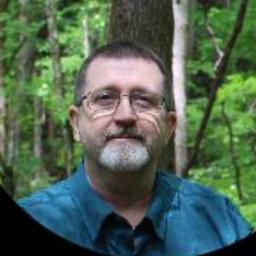
Profile checklist
- CredentialsLMHC
- License listedLMHC, Florida (no. MH12081)
- NPI number1821426768
- Experience27 years listed
- LanguageEnglish
- Main areas of focusStress, Anxiety, Trauma and abuse, Anger management, Bipolar disorder
- Approaches includeCognitive Behavioral Therapy (CBT), Dialectical Behavior Therapy (DBT), Emotionally-Focused Therapy (EFT), Existential Therapy
- FormatOnline sessions through BetterHelp
Details as listed on the therapist’s BetterHelp profile.
- Addictions and mood
- Skills-based therapy
- Collaborative care
About Tony
Tony draws on long experience across inpatient and outpatient settings. He has worked with people in substance abuse and chemical dependency programs, trauma and forensic settings, and with clients referred from drug courts. That background informs practical treatment planning and skill teaching in sessions.
Sessions focus on concrete skills and clear goals. Tony teaches strategies for managing anxiety, depression, bipolar symptoms, and impulsivity. He also helps with anger, grief, self-esteem, ADHD, sleep and eating issues, and recovery from substance misuse.
Relationship topics include communication problems, intimacy-related issues, and coping with family conflict from an individual perspective. He also addresses concerns tied to gender dysphoria, HIV/AIDS, and LGBT-related stress where relevant to the person in front of him.
Tony emphasizes collaborative care. He describes therapy as a shared journey where education and treatment planning are central. People who prefer active, skills-based work alongside reflective conversation may find his style a good fit.
How Tony’s approaches translate to online therapy
CBT focuses on identifying unhelpful thoughts and building practical skills to change patterns of behavior. It is often used for anxiety, depression, mood disorders, and some addiction-related behaviors. DBT teaches emotion regulation, distress tolerance, interpersonal effectiveness, and mindfulness skills to manage strong emotions and impulsivity.Choosing the right approach is a collaborative process. The therapist will discuss your goals, symptoms, and preferences and recommend which methods to try first. Plans are adjusted over time based on what helps most and what feels manageable for you.
The therapist's biography does not list specific online or phone formats, so confirm current session options before booking. Online therapy can make it easier to fit sessions into a busy week, shorten travel time, allow shorter check-ins when needed, and let people use video or audio depending on comfort and bandwidth. Licensed professionals can adapt CBT and DBT exercises to work well in remote sessions, using worksheets, guided skill practice, and focused discussion to help you meet your goals.
Areas of expertise
Primary focus
Also works with
Additional focus areas
Therapeutic approaches
Experience
27+ years
Credentials
Florida
Languages
English
Frequently asked questions
What concerns does Tony work with?
Tony works with a wide range of concerns including stress, anxiety, trauma and abuse, anger, bipolar disorder, depression, addictions, relationship and intimacy issues, grief, ADHD, and sleep or eating problems.
What is his therapeutic style?
He combines cognitive behavioral, dialectical behavior, emotionally-focused, existential, and mindfulness approaches to teach skills and to support deeper reflection. Sessions mix practical exercises with conversation about goals and meaning.
How much clinical experience does he have?
He brings 27 years of experience in both inpatient and outpatient settings, including work with substance abuse programs, trauma, forensic contexts, and drug court referrals.
What credentials and location apply?
He is a Florida Licensed Mental Health Counselor, listed as FL LMHC, and practices in Florida.
Which languages are supported?
Sessions are offered in English. He is not accepting international clients.
What session formats are available?
The original biography does not specify session formats. Please confirm current session options before booking to know whether online, phone, or in-person formats are offered.
How are fees handled?
Cost varies with location and therapist availability, and sessions use a subscription that can be canceled at any time.
How do I get started?
Use the Start Therapy button, complete a short matching questionnaire, and schedule according to therapist availability.