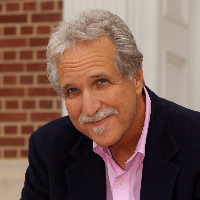
Rev. Rodney Kerr, LPC
Therapist in South Carolina
Helping people build stronger relationships and purpose
Review online therapy options on BetterHelp.
Profile checklist
- CredentialsLPC
- License listedLPC, South Carolina (no. 1366)
- NPI number1174119275
- Experience33 years listed
- LanguageEnglish
- Main areas of focusStress, Anxiety, Relationship issues, Family conflicts, Career difficulties
- Approaches includeAcceptance and Commitment Therapy (ACT), Client-Centered Therapy, Cognitive Behavioral Therapy (CBT), Dialectical Behavior Therapy (DBT)
- FormatOnline sessions through BetterHelp
Details as listed on the therapist’s BetterHelp profile.
- Values guided work
- Practical skill focus
- Relationship support
About Rodney
He draws on therapies that emphasize values, behavior change, and emotional connection. Sessions often include goal-setting, skill practice, and guided reflection to reduce anxiety, improve relationships, or address substance-related problems. He also works with parenting concerns, career transitions, and issues around intimacy and self-esteem.
His background includes pastoral counseling, seminary training with a Master of Divinity, and many years using assessment tools for relationship and career planning. That long experience informs a practical approach that mixes relational insight with cognitive tools. He uses inventories like StrengthsFinder and MBTI to help clarify patterns and strengths.
In conversation he looks for strengths and growth areas and then builds a step-by-step plan. That can mean learning new communication habits, building routines for better sleep, or practicing coping skills for anger and depression. He also includes work on family-of-origin issues, codependency, and forgiveness when those topics are relevant.
People who prefer a direct, coaching-oriented style often find this approach helpful. He connects therapy to everyday life so changes can be tried between sessions. To begin, readers should confirm current session formats before booking.
Therapeutic approaches for online support
Acceptance and Commitment Therapy (ACT) focuses on clarifying personal values and taking small actions that match those values. It helps people move past unhelpful thoughts and toward a life that matters to them. Cognitive Behavioral Therapy (CBT) looks at the link between thoughts, feelings, and behaviors and teaches practical skills to change patterns that fuel anxiety, depression, or problematic habits. Emotionally-Focused ideas help people notice and name emotions and use that awareness to strengthen close relationships.Choosing the right approach is usually collaborative. The therapist will talk with each person about goals, preferences, and what has or hasn't worked before. Together they decide which methods to try and adjust the plan as progress is made.
Session formats are not listed in the biography, so confirm current online options before booking. Online work can make it easier to fit sessions into a busy week, allow for shorter check-ins when needed, and remove travel time so conversations can happen between work or family commitments. Licensed professionals can still practice the same exercises, use assessments, and guide skill practice through remote sessions, helping people apply what they learn to everyday life.
Areas of expertise
Primary focus
Also works with
Additional focus areas
Therapeutic approaches
Experience
33+ years
Credentials
South Carolina
Languages
English
Frequently asked questions
What kinds of concerns does he address?
He helps with stress, anxiety, depression, relationship and family concerns, addictions, grief, parenting, career transitions, intimacy issues, and related topics such as codependency and communication problems.
What is his general therapy style?
His style blends values-based work, cognitive approaches, and emotionally focused methods. Sessions emphasize clear goals, skill practice, and improving how people relate to themselves and others.
How much experience does he have?
He has 33 years of professional and pastoral counseling experience working in South Carolina and with a range of relationship and life transition issues.
What credentials and location should I know about?
He holds the LPC credential in South Carolina and works from that professional base in South Carolina.
Which languages are offered and can international clients join?
Sessions are offered in English. International clients are not currently accepted.
What session formats are available?
Session formats are not specified in the biography; please confirm current session options with the provider before booking.
How does pricing work?
Cost varies with location and therapist availability; sessions use a subscription that can be canceled at any time.
How do I begin working with him?
Use the Start Therapy button, complete the short matching questionnaire, and schedule according to the therapist's availability.