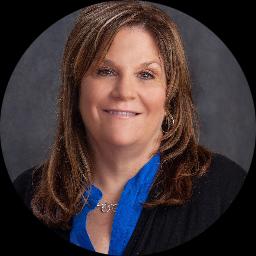
Pamela Barrigar, LCSW
Therapist in Illinois
Compassionate clinician blending skills and support
Review online therapy options on BetterHelp.
Profile checklist
- CredentialsLCSW
- Licenses listedLCSW, Illinois (no. 149019841); LCSW, Florida (no. SW15199); LCSW, Georgia (no. CSW006709); LCSW, Missouri (no. 2018012129 ); LCSW, Arizona (no. LCSW-22287)
- NPI number1134571672
- Experience15 years listed
- LanguageEnglish
- Main areas of focusStress, Anxiety, Trauma and abuse, Anger management, Depression
- Approaches includeAcceptance and Commitment Therapy (ACT), Client-Centered Therapy, Cognitive Behavioral Therapy (CBT), Dialectical Behavior Therapy (DBT)
- FormatOnline sessions through BetterHelp
Details as listed on the therapist’s BetterHelp profile.
- 15 years experience
- Faith informed care
- Practical coping skills
About Pamela
Pamela blends straightforward talk with practical skills. She draws on client-centered therapy to follow the person’s lead and build trust. Cognitive Behavioral Therapy helps identify and shift unhelpful thoughts and behaviors. Dialectical Behavior Therapy and mindfulness practices teach emotional regulation and ways to tolerate difficult feelings.
In sessions she focuses on clear goals and everyday strategies. That can mean practicing coping skills, improving communication, or making step-by-step plans for change. Pamela also addresses concerns like ADHD symptoms, panic, trauma responses, and compassion fatigue with tailored tools rather than one-size-fits-all solutions.
Her approach is collaborative - she works with each person to decide what matters most. She explains options in simple terms and helps people try techniques between sessions. Pamela aims to make therapy a useful part of daily life rather than a mysterious process.
People who want a straightforward, supportive clinician who mixes skills training with reflective listening may find her style helpful. She emphasizes respect for each person’s values and works at a pace that fits individual needs.
Therapeutic approaches and online sessions
Acceptance and Commitment Therapy (ACT) focuses on clarifying personal values and taking action toward them while accepting difficult thoughts and feelings. It can help when life changes, purpose, or chronic worry get in the way of living. Cognitive Behavioral Therapy (CBT) identifies patterns of thinking and behavior that keep problems going and teaches practical exercises to change them; it is often helpful for anxiety, depression, and panic. Dialectical Behavior Therapy (DBT) offers concrete skills for regulating strong emotions, tolerating distress, and improving communication in stressful moments.Finding the right approach is often a process. Pamela works collaboratively to match methods to a person’s needs, goals, and preferences. She will talk through options, try techniques, and adjust the plan based on what feels most helpful for the individual.
The original biography does not list specific online formats, so please confirm session options before booking. Many people find that remote sessions make it easier to fit therapy into a busy week, allow shorter check-ins when time is limited, and reduce travel time. Online work can still include skills practice, values-based planning, and behavioral experiments that translate into daily routines. Licensed professionals tailor the mix of techniques to what a person needs and can do between meetings.
Areas of expertise
Primary focus
Also works with
Additional focus areas
Therapeutic approaches
Experience
15+ years
Credentials
Illinois, Florida, Georgia, Missouri, Arizona
Languages
English
Frequently asked questions
What kinds of concerns does Pamela address?
She helps people with stress, anxiety, depression, addictions, grief, relationship and family concerns, self-esteem issues, bipolar symptoms, and other life changes.
How would you describe her therapy style?
She combines client-centered listening with practical skills work from CBT and DBT, adding mindfulness and values-based techniques as needed.
How much experience does she have?
She has 15 years of experience working with individuals on a range of emotional and behavioral concerns.
What credentials and region are listed?
She is a Licensed Clinical Social Worker (LCSW) licensed in Arizona and Illinois and practices from Illinois.
Which languages are supported and are international clients accepted?
Sessions are offered in English and international clients are not currently accepted.
What session formats are offered?
The original biography does not list specific session formats; please confirm current session options before booking.
How is cost handled for sessions?
Fees vary with location and therapist availability, and sessions use a subscription that can be canceled at any time.
What are the first steps to begin?
Click the Start Therapy button, complete a short matching questionnaire, and schedule appointments according to the therapist's availability.