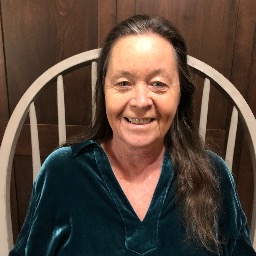
Mary Kallenbach, LCMHC
Therapist in North Carolina
Experienced counselor for adults facing addiction and trauma
Review online therapy options on BetterHelp.
Profile checklist
- CredentialsLCMHC
- License listedLCMHC, North Carolina (no. S3220)
- NPI number1225160377
- Experience23 years listed
- LanguageEnglish
- Main areas of focusStress, Anxiety, Relationship issues, Trauma and abuse, Depression
- Approaches includeAcceptance and Commitment Therapy (ACT), Client-Centered Therapy, Cognitive Behavioral Therapy (CBT), Dialectical Behavior Therapy (DBT)
- FormatOnline sessions through BetterHelp
Details as listed on the therapist’s BetterHelp profile.
- Addictions and recovery
- Trauma and PTSD
- Skills for daily life
About Mary
Mary earned a Master’s in Counseling from Webster University in 1997 and has worked in clinical and community settings since 1995. Early in her career she worked on an adult women’s inpatient unit where she assisted clients with eating disorders, personality disorders, psychotic disorders, and PTSD. She later provided school-based services and county mental health care before joining a residential healing farm program in 2005.
From 2005 to 2018 she worked with adults who presented with a wide range of emotional health concerns, combining approaches such as cognitive behavioral therapy, dialectical behavior therapy, acceptance and commitment therapy, and EMDR when appropriate. She has maintained a private practice since 1998, offering individual and group work and occasional animal-assisted sessions for people who are suited to that approach.
In sessions Mary uses straightforward conversation, skill-building, and goal-focused techniques. She helps people learn coping tools, practice new behaviors, and try small changes that can add up. Her style is collaborative and down-to-earth, with an emphasis on real-world results.
To begin, she asks clients to identify priorities and then builds a plan that fits their life. The focus is on manageable steps toward clearer thinking, healthier relationships, and greater day-to-day balance.
Approaches that translate to online work
Acceptance and Commitment Therapy (ACT) helps people clarify personal values and take small, meaningful steps even when feelings are difficult. It is often used for anxiety, depression, and life transitions. Cognitive Behavioral Therapy (CBT) focuses on identifying unhelpful thoughts and testing new behaviors to reduce distress and improve daily functioning. It is commonly used for anxiety, depression, and coping skills. Eye Movement Desensitization and Reprocessing (EMDR) targets distress from traumatic memories by using a structured process to reduce their emotional impact; it is often offered for PTSD and trauma-related symptoms.Choosing the right approach is usually a collaborative process. The therapist will talk with each person about goals, past experiences, and what feels most helpful. Together they try methods and adjust the plan if something doesn’t fit, aiming for a practical, personalized path forward.
Confirm current session options before booking since specific online formats are not listed here. Online therapy can make it easier to fit sessions into a busy week, allow shorter check-ins when needed, and reduce travel time. It also lets people use tools and worksheets between meetings to practice coping skills. Licensed professionals can adapt ACT, CBT, or EMDR techniques to work in remote sessions when appropriate, and the therapist will discuss the best way to use these approaches based on each person's needs.
Areas of expertise
Primary focus
Also works with
Additional focus areas
Therapeutic approaches
Experience
23+ years
Credentials
North Carolina
Languages
English
Frequently asked questions
What concerns does Mary commonly address?
She works with stress, anxiety, depression, relationship issues, trauma and abuse, addictions, grief, intimacy issues, eating concerns, self-esteem, career challenges, bipolar symptoms, ADHD, and related family problems.
How would you describe her therapeutic style?
Mary uses plain language and practical tools. Sessions focus on coping skills, behavior change, and problem solving in a collaborative way.
What is her clinical background and experience?
Mary has worked in counseling since 1995 and has over 23 years of experience in clinical and community settings including inpatient, school, county mental health, residential programs, and private practice.
What credentials and location are listed for the therapist?
She is a Licensed Clinical Mental Health Counselor (LCMHC) in North Carolina and practices in that state.
Which languages are sessions offered in?
Sessions are offered in English.
Are international clients supported?
International clients are not currently accepted.
How are sessions structured and what about cost?
Session cost varies with location and therapist availability and uses a subscription model that can be canceled at any time.
How do I begin working with this therapist?
Use the Start Therapy button, complete a short matching questionnaire, and schedule based on the therapist's availability.