Laura Arnold, LCPC, LPC
Therapist in South Carolina
Compassionate counselor for addiction and stress
Review online therapy options on BetterHelp.
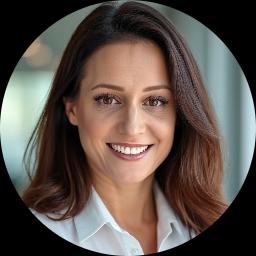
Profile checklist
- CredentialsLCPC, LPC
- Licenses listedLMHC, Florida (no. MH18354); LPC, South Carolina (no. 9170); LCPC, Nevada (no. CP5628-R); LPC, Arizona (no. LPC-22745)
- NPI number1891348348
- Experience9 years listed
- LanguageEnglish
- Main areas of focusStress, Anxiety, Addictions, Relationship issues, Grief
- Approaches includeClient-Centered Therapy, Cognitive Behavioral Therapy (CBT), Dialectical Behavior Therapy (DBT), Motivational Interviewing
- FormatOnline sessions through BetterHelp
Details as listed on the therapist’s BetterHelp profile.
- Addictions support
- Practical coping tools
- Collaborative care
About Laura
Her work focuses on real-life problems like substance and alcohol struggles, communication breakdowns, feelings of abandonment, and identity or intimacy questions. She draws on client-centered methods to create an accepting atmosphere where people can speak openly. Sessions are interactive and tailored to each person’s needs rather than following a rigid script.
Laura blends techniques from cognitive behavioral therapy, dialectical behavior therapy, and motivational interviewing to address thoughts, emotions, and behaviors. That mix helps people change unhelpful thinking, manage strong emotions, and find motivation for recovery or behavior change. She explains strategies clearly and practices them with clients in session.
Her background includes work in private practice and in settings that treat substance use, outpatient and inpatient programs, and correctional facilities. This variety informs how she supports people at different stages of change and recovery.
Laura holds the Licensed Clinical Professional Counselor credential and is a Licensed Professional Counselor. She works with adults on issues such as trauma and abuse, bipolar disorder, ADHD, anger, self-esteem, and life transitions. Her style is compassionate and focused on helping people make steady progress.
How therapy approaches guide online work
Client-Centered Therapy focuses on creating a warm, nonjudgmental space where people can talk through concerns and set their own goals. This approach helps when someone needs understanding and acceptance before making changes.Cognitive Behavioral Therapy, or CBT, looks at how thoughts, feelings, and actions are connected and teaches practical skills to change unhelpful thinking and behavior. It is useful for anxiety, depression, problematic substance use patterns, and stress management.
Dialectical Behavior Therapy, or DBT, includes skills for managing intense emotions and improving interpersonal effectiveness. It can help people who struggle with anger, unstable moods, or relationship conflicts by teaching emotion regulation and distress tolerance techniques.
Finding the right approach is part of the work together. The therapist will help you choose or combine methods based on your goals, daily life, and what feels most helpful. That collaboration means plans are adjusted over time as progress is made.
Confirm which session formats this therapist currently offers before booking, since the biography does not list specific options. Online sessions can make it easier to fit therapy into a busy schedule, reduce travel time, and allow shorter check-ins when needed. They also let people practice new skills between meetings and bring real-life situations into conversation for immediate feedback.
Areas of expertise
Primary focus
Also works with
Additional focus areas
Therapeutic approaches
Experience
9+ years
Credentials
Florida, South Carolina, Nevada, Arizona
Languages
English
Frequently asked questions
What concerns does Laura commonly address?
She supports people with stress, anxiety, addictions, depression, grief, relationship and intimacy issues, trauma and abuse, anger, self-esteem, and related concerns such as codependency and substance use.
How would you describe her therapeutic style?
Her style is conversational and interactive, emphasizing an accepting, client-centered atmosphere while using practical skills to address thoughts and behaviors.
What kind of experience does she bring?
She has nine years of experience working in private practice and in settings that include substance abuse programs, outpatient and inpatient care, and correctional facilities.
What credentials and region information are on file?
She holds LCPC and LPC credentials and practices from South Carolina as listed in her profile.
Which languages are sessions offered in?
Sessions are offered in English, and she accepts international clients.
What session formats are available?
Please confirm current session format options before booking, as specific formats are not listed in the biography.
How is cost structured for sessions?
Cost varies with location and therapist availability; sessions use a subscription model that can be canceled at any time.
What are the first steps to begin working together?
Click the Start Therapy button, complete a short matching questionnaire, and schedule sessions based on the therapist’s availability.