James Milner, LCSW, CSW
Therapist in Georgia
Compassionate help for addiction and life struggles
Review online therapy options on BetterHelp.
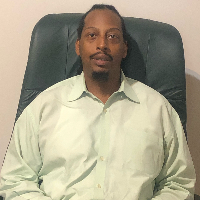
Profile checklist
- CredentialsLCSW, CSW
- License listedLCSW, Georgia (no. CSW004725)
- NPI number1609129188
- Experience11 years listed
- LanguageEnglish
- Main areas of focusStress, Anxiety, Trauma and abuse, Anger management, Depression
- Approaches includeAcceptance and Commitment Therapy (ACT), Client-Centered Therapy, Cognitive Behavioral Therapy (CBT), Dialectical Behavior Therapy (DBT)
- FormatOnline sessions through BetterHelp
Details as listed on the therapist’s BetterHelp profile.
- Addictions support
- Values centered work
- Practical coping tools
About James
With 11 years of clinical experience listed, he draws on a long history working in community mental health and supportive housing. He has run programs for people with severe mental illness and helped develop residential services for substance use and dual-diagnosis needs. That work shaped his focus on real-world problems like housing stress, substance use, and family conflict.
In individual sessions he blends several methods to match what a person needs. He often uses cognitive-behavioral ideas to deal with thoughts and behaviors, acceptance and commitment strategies to clarify values, and client-centered listening to build trust. Hypnotherapy and mindfulness practices are also part of his toolbox when appropriate.
James names spirituality and personal belief as part of a person's story. He brings that into therapy when clients want it, and he aims to respect each person's culture and worldview. He has experience offering pastoral counseling and has led supportive programs in community settings.
People who come to him can expect clear talk about goals, practical coping steps, and attention to how past experiences connect to current struggles. To start, clients complete a short matching questionnaire and schedule sessions based on the therapist's availability.
How his approaches fit into online therapy
Acceptance and Commitment Therapy (ACT) helps people notice unhelpful thoughts and choose actions based on personal values rather than getting stuck. It can be useful for anxiety, depression, and addictive patterns. Cognitive Behavioral Therapy (CBT) focuses on spotting and changing thoughts and behaviors that keep problems going, which helps with depression, anxiety, and coping skills. Client-Centered Therapy emphasizes empathetic listening and building a trusting relationship so clients can find their own solutions and feel heard.Choosing the right approach is part of the work. He will talk with each person about goals, symptoms, and preferences, and then suggest which methods to try first. That choice is collaborative and may shift over time as needs change.
The biography does not list specific online formats, so confirm current session options before booking. Online therapy can make it easier to fit sessions into a busy week, cut travel time, and allow shorter check-ins when needed. It also supports using mindfulness exercises, DBT skill practice, and ACT values work between meetings so therapy feels practical and tied to everyday life.
Areas of expertise
Primary focus
Also works with
Additional focus areas
Therapeutic approaches
Experience
11+ years
Credentials
Georgia
Languages
English
Frequently asked questions
What concerns does this therapist address?
He works with adults around stress, anxiety, depression, addiction, relationship and family issues, grief, low self-esteem, career struggles, bipolar concerns, and coping with life changes.
How would you describe his therapeutic style?
He uses a blended approach that includes client-centered listening, cognitive-behavioral techniques, acceptance and commitment strategies, dialectical skills, mindfulness, and hypnotherapy as needed.
What is his professional background?
He has extensively worked in community mental health and supportive housing, including running residential programs and providing counseling in university settings.
What credentials and location are listed?
He holds LCSW and CSW credentials and practices in Georgia.
Which languages are offered and can international clients join?
Sessions are offered in English and international clients are not currently accepted.
What session formats are available?
The original biography does not specify session formats, so confirm current session options before booking.
How are fees and payment arranged?
Cost varies with location and therapist availability; sessions use a subscription that can be canceled at any time.
How do I begin therapy?
Click the Start Therapy button, complete a short matching questionnaire, and then schedule according to the therapist's availability.