Floret Miller, LPC, LMHC
Therapist in Florida
Practical support for stress, addiction, and relationships
Review online therapy options on BetterHelp.
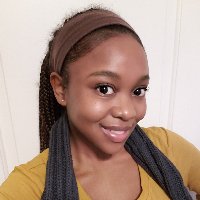
Profile checklist
- CredentialsLPC, LMHC
- Licenses listedLMHC, Florida (no. MH13676); LCPC, Illinois (no. 180.013106); LPC, Michigan (no. 6401222857 ); LPC, Arizona (no. LPC-21288); LPCC, Minnesota (no. 03506)
- NPI number1821460197
- Experience11 years listed
- LanguageEnglish
- Main areas of focusStress, Anxiety, Self esteem, Depression
- Approaches includeAcceptance and Commitment Therapy (ACT), Client-Centered Therapy, Cognitive Behavioral Therapy (CBT), Dialectical Behavior Therapy (DBT)
- FormatOnline sessions through BetterHelp
Details as listed on the therapist’s BetterHelp profile.
- Goal focused
- Experience with addictions
- Collaborative style
About Floret
Floret practices in Florida and brings 11 years of experience in behavioral health settings. Her work has included long-term residential care, group homes, short-term acute care, outpatient clinics, and detox services. She has experience helping people with trauma, eating disorders, substance use and co-occurring diagnoses, and relationship distress.
In sessions she acts as a facilitator who listens and helps clients set achievable goals. She uses techniques drawn from several approaches rather than following a single method. That lets her match tools to each person’s needs and pace.
Her methods include cognitive behavioral strategies to change unhelpful thinking, motivational interviewing to support readiness for change, and client-centered practices that prioritize the person in the room. She also draws on dialectical behavior ideas and acceptance and commitment methods when they fit the work.
Floret describes a counseling relationship built on trust, respect, and clear communication. To begin she asks people to name a starting point so they can make a plan together and move toward the goals that matter to them.
How core approaches guide online therapy
Acceptance and Commitment Therapy (ACT) focuses on identifying personal values and taking small, meaningful steps toward them while learning to accept difficult thoughts and feelings. It can help with anxiety, depression, and struggles around motivation or purpose. Cognitive Behavioral Therapy (CBT) looks at the links between thoughts, feelings, and behaviors and teaches practical skills to change patterns that cause distress. It is often used for anxiety, mood concerns, and sleep problems. Emotionally-Focused Therapy (EFT) centers on identifying and expressing emotions to improve close relationships and intimacy-related issues.Finding the right approach is part of the work. The therapist will review goals and preferences and suggest which methods might help. This is a collaborative process where the chosen tools can change as progress is made.
Confirm the available session formats before booking since they were not specified in the biography. Online therapy can make it easier to fit sessions into a busy week, reduce travel time, allow shorter check-ins when schedules are tight, and let people participate from a quieter place that suits them. Licensed professionals can adapt ACT, CBT, and EFT exercises for remote sessions so people practice skills between meetings and bring real-life experiences back into therapy.
Areas of expertise
Primary focus
Also works with
Additional focus areas
Therapeutic approaches
Experience
11+ years
Credentials
Florida, Illinois, Michigan, Arizona, Minnesota
Languages
English
Frequently asked questions
What concerns does Floret commonly address?
She works with stress, anxiety, low self-esteem, depression, addictions, relationship and intimacy issues, sleep problems, career concerns, and coping with life changes. Additional focuses include body image, grief around separation, and co-occurring mood or substance issues.
How would you describe her therapy style?
Her style is collaborative and practical. She listens, helps set realistic goals, and draws techniques from multiple approaches to match a person’s needs.
What kind of background and experience does she have?
Floret has 11 years of experience working across residential, group home, acute care, outpatient, and detox settings. She has worked with trauma, eating disorders, substance use, co-occurring diagnoses, and relationship distress.
Which credentials does she hold and where does she practice?
She holds LPC and LMHC credentials and practices in Florida.
Are sessions offered in other languages or to international clients?
Sessions are offered in English. She is not accepting international clients at this time.
What session formats are available?
Session formats were not specified in the biography. Please confirm current session options with the service before booking.
How is cost handled for sessions?
Cost varies with location and therapist availability. Sessions use a subscription that can be canceled at any time.
How do I begin working with her?
Use the Start Therapy button, complete a short matching questionnaire, and schedule according to the therapist’s availability.