Eugenia Davis, LCMHC
Therapist in North Carolina
Compassionate, practical help for addictive and mood struggles
Review online therapy options on BetterHelp.
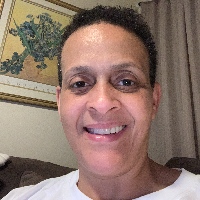
Profile checklist
- CredentialsLCMHC
- License listedLCMHC, North Carolina (no. 9235)
- NPI number1043510951
- Experience22 years listed
- LanguageEnglish
- Main areas of focusStress, Anxiety, Addictions, Relationship issues, Family conflicts
- Approaches includeClient-Centered Therapy, Cognitive Behavioral Therapy (CBT), Emotionally-Focused Therapy (EFT), Mindfulness Therapy
- FormatOnline sessions through BetterHelp
Details as listed on the therapist’s BetterHelp profile.
- Addictions support
- Practical coping skills
- Collaborative approach
About Eugenia
Her approach is straightforward and practical. Sessions focus on clear conversation about what feels hard and what the client wants to change. She helps people see different perspectives and notice options they might have missed. The goal is to build coping skills and make day-to-day life more manageable.
In practice she draws on client-centered methods, cognitive behavioral techniques, and emotionally-focused ideas to guide the work. Mindfulness and motivational interviewing also shape how she supports motivation and stress management. These tools are used to address anxiety, depression, addictions, grief, parenting strain, and relationship and intimacy-related issues.
She has experience with complex and chronic presentations, including personality and mood disorders, co-occurring conditions, and long-term mental health challenges. That background includes work with people involved in foster care systems and corrections settings earlier in her career. Her training and memberships reflect a long-term commitment to clinical work.
People who choose her can expect a calm, direct style that emphasizes collaboration and practical steps. She frames therapy as a shared process where the client’s goals steer the work and the therapist offers perspective, tools, and steady guidance.
How her approaches guide online therapy
Client-centered therapy puts the client’s experience first and asks the therapist to listen closely and reflect what matters most to the person. That approach helps people feel understood and shapes goals around what they want to change.Cognitive Behavioral Therapy, or CBT, looks at the link between thoughts, feelings, and actions. It offers step-by-step techniques to reduce anxiety, manage cravings, and change patterns that keep problems going.
Emotionally-Focused Therapy focuses on feelings in relationships and helps people identify and express emotions in clearer ways. It can be useful for intimacy concerns, communication problems, and attachment-related struggles.
Choosing the right approach is part of the work. The therapist will talk with each person about goals and preferences and then try techniques that fit those needs. That collaborative process helps shape a personalized plan rather than using a single method for everyone.
Online therapy can make it easier to fit sessions into a busy life, for example by avoiding travel or allowing shorter check-ins between appointments. Because session formats aren’t listed here, confirm current online options before booking. Many people find that talking by video or phone lets them keep therapy consistent while managing work, family, and day-to-day demands.
Areas of expertise
Primary focus
Also works with
Additional focus areas
Therapeutic approaches
Experience
22+ years
Credentials
North Carolina
Languages
English
Frequently asked questions
What kinds of concerns does Eugenia focus on?
She works with a wide range of issues including stress, anxiety, addictions, depression, trauma and abuse, grief, relationship and intimacy issues, parenting strain, and ADHD-related challenges.
How would you describe her therapeutic style?
Her style is direct and collaborative, using clear conversation to identify problems and practical steps. She helps people consider different perspectives and develop coping strategies.
What is her professional background?
She has more than 22 years of experience in mental health, a Master of Science in Mental Health Counseling, and extensive work with substance use and chronic mental health concerns.
Where is she based and what credential does she hold?
She practices from North Carolina and holds the credential LCMHC, which stands for Licensed Clinical Mental Health Counselor.
Are sessions offered in other languages or internationally?
Sessions are offered in English and she accepts international clients.
What session formats are available?
Session formats are not specified here; please confirm current session options with the service before booking.
How are fees and billing handled?
Cost varies with location and therapist availability; sessions use a subscription that can be canceled at any time.
How do I begin working together?
Use the Start Therapy button, complete a short matching questionnaire, and schedule according to therapist availability.