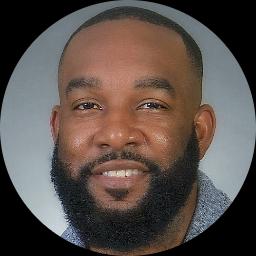
Dr. Brandon Lowe, LCMHC
Therapist in North Carolina
Experienced counselor for addiction and life change
Review online therapy options on BetterHelp.
Profile checklist
- CredentialsLCMHC
- License listedLCMHC, North Carolina (no. 11263)
- NPI number1073937447
- Experience18 years listed
- LanguageEnglish
- Main areas of focusStress, Anxiety, Addictions, Trauma and abuse, Self esteem
- Approaches includeClient-Centered Therapy, Cognitive Behavioral Therapy (CBT), Dialectical Behavior Therapy (DBT), Motivational Interviewing
- FormatOnline sessions through BetterHelp
Details as listed on the therapist’s BetterHelp profile.
- Addiction focus
- Anxiety and stress
- NC licensed LCMHC
About Brandon
He focuses on practical talk and clear steps. Sessions are shaped around each person’s needs, and he works with clients to set realistic goals. Brandon emphasizes building motivation, strengthening self-esteem, and reducing substances or behaviors that cause harm.
His background includes long-term work with addiction-related concerns and with people recovering from trauma and abuse. He also addresses issues such as chronic illness, communication struggles, family of origin concerns, and the emotional effects of major life transitions. That experience informs how he plans treatment and follows progress.
In sessions he uses a mix of client-centered listening and evidence-informed techniques. Cognitive Behavioral Therapy helps identify and shift unhelpful thoughts and behaviors. Motivational Interviewing supports people who feel stuck or unsure about change.
Brandon describes the first session as a time to listen, prioritize concerns, and build a plan together. He aims for straightforward language and practical tools people can use between meetings. If someone wants to explore change around substance use, anxiety, trauma, or self-worth, he offers a steady, nonjudgmental approach to getting started.
Approach and online therapy options
Dr. Lowe draws from client-centered therapy, cognitive behavioral therapy, and motivational interviewing to structure online work. Client-centered therapy focuses on listening and reflecting so a person feels understood and can set their own goals. Cognitive Behavioral Therapy helps identify patterns of thought and behavior and teaches practical skills to change those patterns. Motivational Interviewing targets mixed feelings about change and helps people build internal motivation to try new behaviors.Choosing the right approach is a collaborative process. He will talk with each person about goals and preferences and then suggest methods that fit their situation. Expect him to check in regularly and adjust the plan if something isn’t working.
Please confirm current session options before booking, as formats are not specified here. Online work can make it easier to fit therapy into a busy schedule, reduce travel time, and allow shorter check-ins when needed. It can also let someone use video or voice sessions depending on what feels most manageable for them. Licensed professionals tailor sessions to each person’s needs so therapy fits into everyday life while focusing on clear, achievable steps.
Areas of expertise
Additional focus areas
Therapeutic approaches
Experience
18+ years
Credentials
North Carolina
Languages
English
Frequently asked questions
What concerns does he help with?
He supports people dealing with stress, anxiety, addictions, trauma and abuse, low self-esteem, and coping with life changes, plus related issues like chronic illness, communication problems, and family of origin matters.
What is his general therapy style?
He uses a direct, conversational style that focuses on listening first and then building practical steps. Techniques may include helping set goals, practicing new skills, and addressing unhelpful thoughts.
How much experience does he have?
He has 18 years of professional experience working with addiction-related concerns, trauma, anxiety, and life transitions.
What credentials and region should I know about?
He is a licensed clinical mental health counselor (LCMHC) practicing in North Carolina.
Which languages are supported?
Sessions are offered in English.
Can international clients work with him?
International clients are not currently accepted.
How are fees and payment handled?
Cost varies with location and therapist availability; sessions operate under a subscription that can be canceled at any time.
How do I begin a therapy match?
Click the Start Therapy button, complete a short matching questionnaire, and then schedule sessions based on the therapist's availability.