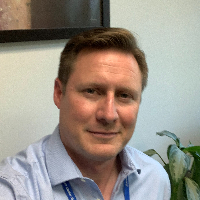
Adam Williams, LMHC
Therapist in Florida
Helping people navigate stress and addiction recovery
Review online therapy options on BetterHelp.
Profile checklist
- CredentialsLMHC
- License listedLMHC, Florida (no. MH14481)
- NPI number1366990186
- Experience11 years listed
- LanguageEnglish
- Main areas of focusStress, Anxiety, Family conflicts, Trauma and abuse, Anger management
- Approaches includeAcceptance and Commitment Therapy (ACT), Attachment-Based Therapy, Client-Centered Therapy, Cognitive Behavioral Therapy (CBT)
- FormatOnline sessions through BetterHelp
Details as listed on the therapist’s BetterHelp profile.
- Addiction and relapse support
- Skills for anger and stress
- Values-based change
About Adam
Approaches that translate to online work
Acceptance and Commitment Therapy (ACT) encourages people to clarify what matters to them and take small, value-based actions even when thoughts and feelings are uncomfortable. It helps with anxiety, depression, addictions, and life changes by focusing on meaning and behavior. Cognitive Behavioral Therapy (CBT) teaches practical steps to notice and shift unhelpful thoughts and routines, which is useful for anxiety, mood struggles, and managing cravings. Attachment-Based Therapy looks at relational patterns and how early bonds shape current relationships, offering ways to improve communication and emotional connection. Finding the right approach is part of the work together. The therapist will talk with each person about goals, preferences, and what methods feel most useful. That collaborative process helps shape a plan that blends skills training, values work, and relationship-focused exploration. Confirm the available online session formats before booking, as the biography does not list specific options. Online sessions can make it easier to fit therapy into a busy week, cut travel time, and allow regular check-ins that sustain progress. For some people, remote sessions let them try brief skill-focused meetings or longer talks depending on what helps them move forward.Areas of expertise
Primary focus
Also works with
Additional focus areas
Therapeutic approaches
Experience
11+ years
Credentials
Florida
Languages
English
Frequently asked questions
What concerns does he focus on?
He works with stress, anxiety, depression, addictions, relationship issues, grief, parenting strain, trauma and related challenges.
What is his therapeutic style like?
Sessions emphasize a personal, honest relationship with practical skill teaching. He blends warmth, clear feedback, and encouragement while using direct tools for emotion and behavior change.
How much experience does he have?
He has about 11 years of clinical experience and roughly 10,000 hours of practice working with adults, families, and young people.
What credentials and region are associated with him?
He is a Licensed Mental Health Counselor, FL LMHC, and practices in Florida.
Which languages are offered and are international clients accepted?
Sessions are offered in English and he does not accept international clients at this time.
What session formats are available?
The original biography does not list specific session formats; please confirm current session options before booking.
How is cost handled for sessions?
Cost varies with location and therapist availability, and sessions use a subscription that can be canceled at any time.
What are the first steps to begin working together?
Use the Start Therapy button, complete a short matching questionnaire, and schedule according to the therapist's availability.