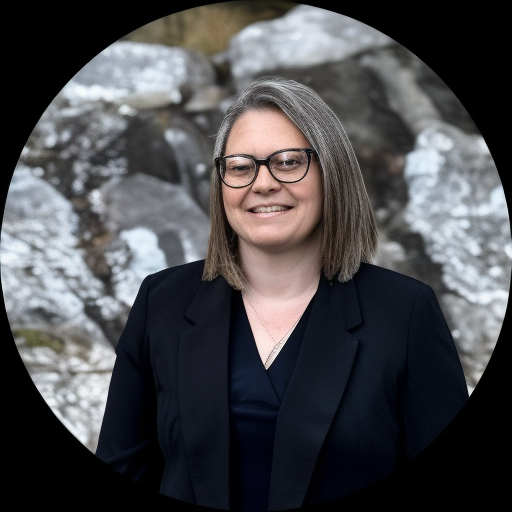
Rachel Hayes, LPC, LCPC
Therapist in Florida
Compassionate, practical support for addiction and trauma
Review online therapy options on BetterHelp.
Profile checklist
- CredentialsLPC, LCPC
- Licenses listedLPC, Colorado (no. 00016820); LPC, Arizona (no. LPC-20595); LCPC, Nevada (no. CP5101-R); LPC, Wyoming (no. LPC-2026); LPC, Texas (no. 98699); LMHC, Florida (no. MH27364)
- NPI number1720514680
- Experience8 years listed
- LanguageEnglish
- Main areas of focusAddictions, Trauma and abuse, Eating disorders, Self esteem
- Approaches includeClient-Centered Therapy, Cognitive Behavioral Therapy (CBT), Dialectical Behavior Therapy (DBT), Eye Movement Desensitization and Reprocessing (EMDR)
- FormatOnline sessions through BetterHelp
Details as listed on the therapist’s BetterHelp profile.
- Addictions focus
- Trauma-informed care
- Skill-based tools
About Rachel
How these approaches translate to online therapy
Client-Centered Therapy focuses on listening and understanding the person’s experience. The therapist follows the client’s lead and offers empathy and nonjudgmental support to help people clarify goals and feel heard.Cognitive Behavioral Therapy (CBT) teaches practical tools to change unhelpful thoughts and behaviors. It often includes homework like tracking thoughts, practicing new responses, and testing small behavioral changes to reduce anxiety, depression, and addictive patterns.
Dialectical Behavior Therapy (DBT) emphasizes skills for regulating strong emotions and managing intense urges. It includes techniques for distress tolerance, mindfulness, and improving communication when relationships feel strained.
Finding the right approach is part of the work together. The therapist will collaborate with each person to choose methods that match their needs, goals, and preferences and will adjust the plan as progress is made.
Confirm the current session options before booking because the biography does not list specific formats. Online work can make it easier to fit therapy into a busy schedule, reduce travel time, and allow for shorter check-ins when needed. Licensed professionals can guide clients through skill practice, thought tracking, and trauma-focused processing in ways that fit everyday life without promising a particular format.
Areas of expertise
Primary focus
Also works with
Additional focus areas
Therapeutic approaches
Experience
8+ years
Credentials
Colorado, Arizona, Nevada, Wyoming, Texas, Florida
Languages
English
Frequently asked questions
What kinds of concerns does she address?
She works with addictions and substance misuse, trauma and abuse, eating and food-related issues, anxiety, depression, relationship and intimacy concerns, anger, bipolar challenges, and coping with life changes.
How would you describe her therapy style?
Her style is engaging and practical. She listens, then introduces concrete skills and strategies the client can try between sessions.
What is her background and experience?
She has eight years of counseling experience and has worked in inpatient and outpatient settings with a wide range of concerns.
What credentials and region are listed for this therapist?
She is listed as LPC and LCPC and practices in Florida.
In which language are sessions offered?
Sessions are offered in English and she does accept international clients.
What session formats are available?
Please confirm current session options before booking, as the biography does not specify which formats are offered.
How are fees and payment handled?
Costs vary with location and therapist availability; sessions use a subscription model that can be canceled at any time.
How do I get started with therapy?
Select the Start Therapy button, complete a short matching questionnaire, and schedule according to therapist availability.