Lisa Draper, LPC
Therapist in Michigan
Steady, practical support for recovery
Review online therapy options on BetterHelp.
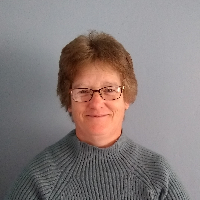
Profile checklist
- CredentialsLPC
- Licenses listedLPC, Michigan (no. 6401018352); LPC, South Carolina (no. 12166)
- NPI number1477079564
- Experience7 years listed
- LanguageEnglish
- Main areas of focusStress, Anxiety, Addictions, Trauma and abuse, Depression
- Approaches includeAcceptance and Commitment Therapy (ACT), Client-Centered Therapy, Cognitive Behavioral Therapy (CBT), Eye Movement Desensitization and Reprocessing (EMDR)
- FormatOnline sessions through BetterHelp
Details as listed on the therapist’s BetterHelp profile.
- Addictions focus
- Practical coping skills
- Military and first responder experience
About Lisa
Lisa draws on several practical approaches to help people manage symptoms and try new ways of coping. She uses cognitive behavioral techniques to spot unhelpful thoughts and patterns. Mindfulness and Acceptance and Commitment Therapy (ACT) skills help people build small daily practices that make life feel more manageable.
Her work includes attention to substance use concerns alongside co-occurring depression, anxiety, and trauma. Lisa also addresses challenges such as grief, sleep problems, anger, low self-esteem, caregiver stress, chronic illness, and issues that follow divorce or disaster. She helps people untangle complicated, overlapping problems without making quick promises.
Clients can expect sessions that focus on clear goals and steps they can try between meetings. Lisa describes therapy as walking beside someone, not pushing or pulling them. She aims for a practical pace and supportive presence while people test new choices.
Outside the therapy room Lisa’s history includes time in the U.S. Army, work in corrections, and years as a firefighter and paramedic. That mix of life and service informs how she listens and responds to stress, trauma, and recovery.
How therapeutic approaches shape online work
Acceptance and Commitment Therapy (ACT) focuses on helping people accept difficult thoughts and feelings while clarifying personal values and taking small committed actions. It can help when someone feels stuck by teaching practical steps that match what matters to them. Cognitive Behavioral Therapy (CBT) looks at the link between thoughts, feelings, and actions and offers tools to change patterns that fuel anxiety, depression, or addictive behaviors. It usually involves clear tasks and experiments to try between sessions. Mindfulness Therapy teaches simple attention practices to reduce reactivity and improve focus, which can ease stress and sleep problems.Finding the right approach is part of the work. The therapist will collaborate with the client to identify which methods fit their needs, goals, and preferences. That may mean combining elements of ACT, CBT, and mindfulness depending on how someone responds and what they want to change.
The original biography does not list specific online session formats, so please confirm available options before booking. In general, online therapy can make it easier to fit meetings into a busy week, allow shorter check-ins when needed, and reduce travel time. It can also let people keep continuity with the same therapist when relocation or travel comes up. Licensed professionals tailor the structure and pacing so sessions fit a client’s daily life and goals.
Areas of expertise
Also works with
Additional focus areas
Therapeutic approaches
Experience
7+ years
Credentials
Michigan, South Carolina
Languages
English
Frequently asked questions
What concerns does Lisa help with?
She works with stress, anxiety, addictions, trauma and abuse, depression, grief, sleep problems, anger, low self-esteem, compassion fatigue, ADHD, and related issues.
What is her general approach in sessions?
Sessions are goal-oriented and practical, mixing cognitive behavioral work, mindfulness, and acceptance-based tools to try between meetings.
What experience does she bring to this work?
She has seven years of counseling experience plus service in the U.S. Army and years working as a firefighter, paramedic, and corrections deputy.
What credentials does she hold and where is she based?
She is a licensed professional counselor (LPC) with registrations listed as MI LPC and SC LPC, and she practices in Michigan.
Which languages are supported for sessions?
Sessions are offered in English, and she is open to working with international clients.
What session formats are available?
The original biography does not list specific session formats; please confirm current session options before booking.
How are fees handled for therapy?
Cost varies with location and therapist availability, and sessions are provided through a subscription that can be canceled at any time.
How do I begin working with her?
Select the Start Therapy button, complete a short matching questionnaire, and schedule a session according to therapist availability.