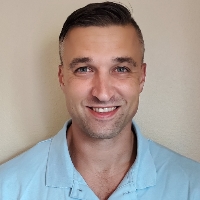
John Doleski, LCSW-C
Therapist in Maryland
Practical support for addiction and trauma recovery
Review online therapy options on BetterHelp.
Profile checklist
- CredentialsLCSW-C
- License listedLCSW-C, Maryland (no. 15697)
- NPI number1316276280
- Experience11 years listed
- LanguageEnglish
- Main areas of focusStress, Anxiety, Addictions, Trauma and abuse, Parenting issues
- FormatOnline sessions through BetterHelp
Details as listed on the therapist’s BetterHelp profile.
- Evidence-based techniques
- Nonjudgmental approach
- 11 years experience
About John
He draws on several evidence-based approaches in sessions, aiming for straightforward, practical work. Sessions focus on talking through what feels hard, building problem-solving skills, and practicing new ways to handle distress. He keeps the tone direct and down-to-earth and offers a kind, nonjudgmental space.
Before his current work he spent many years supporting active duty members across military branches in family advocacy, substance abuse, and psychotherapy. That background informs how he approaches occupational stress and substance-related concerns. He brings around 11 years of total clinical experience.
John uses methods such as Cognitive Behavioral Therapy and Cognitive Processing Therapy to help people change unhelpful patterns and process difficult memories. He also uses Eye Movement Desensitization Reprocessing, Interpersonal Therapy, and Problem Solving Therapy as part of treatment plans when they fit a person's needs.
He aims to work collaboratively, listening first and tailoring techniques to each person. To begin, a reader should use the Start Therapy button and complete the short matching questionnaire to schedule according to therapist availability.
How evidence-based approaches translate to online work
John uses several well-known evidence-based techniques and adapts them to each person's needs. Cognitive Behavioral Therapy focuses on identifying and changing unhelpful thoughts and behaviors to improve mood and coping; it is useful for anxiety, depression, and many everyday struggles. Cognitive Processing Therapy helps people make sense of traumatic experiences and reduce distress linked to painful memories by gently restructuring beliefs about the event and its impact. Eye Movement Desensitization Reprocessing is another approach he uses that helps process intense traumatic memories through structured recall and guided attention techniques.Finding the right approach is part of the work together. He listens to what matters most and then suggests one or more methods that fit the client's goals and comfort level. Sessions evolve as progress is made and priorities change, so treatment is shaped collaboratively rather than fixed up front.
If you are considering online work, confirm the current session formats before booking since the biography does not specify them. Many people find remote sessions easier to fit around work, childcare, or travel, and they can reduce the need to commute. Other practical benefits include shorter check-ins by phone when fitting a busy day, or video sessions when visual connection helps with skill practice. Talk with the therapist during the match process to learn which options will be offered and which will suit your daily routine.
Areas of expertise
Primary focus
Also works with
Experience
11+ years
Credentials
Maryland
Languages
English
Frequently asked questions
What kinds of concerns does this therapist address?
He helps people with stress, anxiety, addictions, trauma and abuse, parenting concerns, depression, relationship and intimacy issues, grief, sleep and eating problems, anger, self-esteem, career strain, bipolar disorder, and ADHD.
What is his therapy style like?
Sessions are direct and practical with an emphasis on kindness and honesty. He aims to create a nonjudgmental space and to work collaboratively on clear goals.
How much clinical experience does he have?
He has about 11 years of clinical experience, including several years working with active duty service members in areas like family advocacy and substance abuse.
What credentials does he hold and where is he based?
He is a licensed clinical social worker with the LCSW-C credential in Maryland and practices from that state.
Which languages are supported for sessions?
Sessions are offered in English.
Can international clients work with him?
He does not accept international clients at this time.
How do fees and payment work?
Cost varies with location and therapist availability; sessions use a subscription that can be canceled at any time.
How do I begin working with this therapist?
Click the Start Therapy button, complete the short matching questionnaire, and then schedule according to therapist availability.