Dixie Eppolito, LMHC
Therapist in Florida
Collaborative, practical therapy for lasting change
Review online therapy options on BetterHelp.
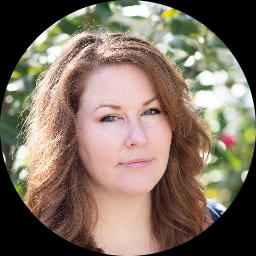
Profile checklist
- CredentialsLMHC
- License listedLMHC, Florida (no. MH16442)
- NPI number1114676368
- Experience10 years listed
- LanguageEnglish
- Main areas of focusStress, Anxiety, Addictions, Trauma and abuse, Compassion fatigue
- Approaches includeAttachment-Based Therapy, Client-Centered Therapy, Cognitive Behavioral Therapy (CBT), Dialectical Behavior Therapy (DBT)
- FormatOnline sessions through BetterHelp
Details as listed on the therapist’s BetterHelp profile.
- Addictions and recovery
- Stress and anxiety
- Strengths focused
About Dixie
She draws on client-centered methods to create an open, respectful space. Sessions are aimed at identifying what matters most and building realistic steps forward. Cognitive Behavioral Therapy is used to help people notice patterns of thinking and change unhelpful habits.
Dialectical Behavior Therapy techniques are included when people need tools for emotion regulation and managing intense states. Attachment-based ideas guide work on relationship patterns and how early connections shape current responses. Dixie also uses insights from Jungian therapy to explore personal meaning and inner life when that fits a person's goals.
With ten years of experience, Dixie has worked with people facing a wide range of concerns. These include process and substance addictions, grief, mood disorders, compulsive behaviors, and challenges related to work or parenting. She also supports people coping with compassion fatigue and first responder stress.
Therapy begins with listening to what a person wants to change. Dixie helps set clear, achievable goals and adjusts methods as progress unfolds. Prospective clients should follow the site's Start Therapy process to match and schedule a session.
How therapeutic approaches shape online care
Dixie uses Client-Centered Therapy to create a supportive space where people lead the conversation and decide what matters most. This approach helps when someone needs a calm, accepting place to talk through life stressors and relationship concerns.Cognitive Behavioral Therapy (CBT) is used to spot thinking patterns and try practical changes. CBT is useful for anxiety, low mood, and behaviors linked to addictions because it focuses on small, testable steps and real-life practice.
Dialectical Behavior Therapy (DBT) supplies concrete skills for managing strong emotions and impulsive urges. These skills can help with self-harm urges, intense mood swings, and problems with impulsivity or compulsive behaviors.
Finding the right approach is part of the work together. Dixie will help figure out which methods fit a person's goals, needs, and preferences, and she adjusts the plan as progress is made. The process is collaborative and goal-focused rather than one-size-fits-all.
Session options are not listed in the original profile, so confirm current formats before booking. Online therapy can make it easier to fit sessions into a busy week, allow shorter check-ins when appropriate, and reduce travel time. It also makes it possible for people outside Florida or in another country to connect, since international clients are accepted. Licensed professionals can use these formats to keep treatment practical and consistent with daily life.
Areas of expertise
Primary focus
Also works with
Additional focus areas
Therapeutic approaches
Experience
10+ years
Credentials
Florida
Languages
English
Frequently asked questions
What kinds of concerns does Dixie help with?
Dixie works with people facing stress, anxiety, addictions, trauma and abuse, compassion fatigue, and related issues like grief, mood disorders, and process addictions.
What is her general therapeutic style?
She uses a collaborative, client-centered style that emphasizes listening, practical steps, and adapting methods to each person's needs.
How much clinical experience does she have?
She has ten years of professional experience working with a wide range of behavioral health concerns.
What credentials and location are listed?
She is a Florida licensed mental health counselor - LMHC - practicing from Florida.
Which languages are supported for sessions?
Sessions are offered in English and international clients are accepted.
What session formats are available?
The original profile does not specify session formats; please confirm current session options before booking.
How are fees and payment handled?
Cost varies by location and therapist availability; sessions use a subscription that can be canceled at any time.
What is the first step to begin therapy?
Use the Start Therapy button, complete the short matching questionnaire, and schedule according to therapist availability.