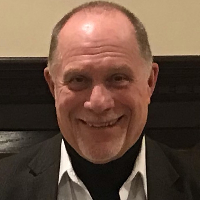
David Spann, LCSW, LISW
Therapist in North Carolina
Addiction-informed relational clinician
Review online therapy options on BetterHelp.
Profile checklist
- CredentialsLCSW, LISW
- Licenses listedLCSW, North Carolina (no. C008137); LISW, Ohio (no. I.1700680)
- NPI number1316224470
- Experience29 years listed
- LanguageEnglish
- Main areas of focusAddictions, Family conflicts, Trauma and abuse, Grief
- Approaches includeAttachment-Based Therapy, Client-Centered Therapy, Cognitive Behavioral Therapy (CBT), Dialectical Behavior Therapy (DBT)
- FormatOnline sessions through BetterHelp
Details as listed on the therapist’s BetterHelp profile.
- Addictions focus
- Relationship intimacy
- Strengths based
About David
He uses therapy approaches that aim to build safety in relationships and strengthen coping skills. Sessions tend to focus on understanding patterns, learning new ways to manage stress and emotions, and improving communication. Motivational interviewing and mindfulness practices are part of his toolkit to support change and relapse prevention.
Spann's background includes work in outpatient, residential, and hospital settings, including time working with active duty Marines at a Naval Hospital. That experience informs his understanding of how trauma and stressors ripple through family life and work roles. He also brings years of leadership and program development experience from management and training roles.
He often addresses co-occurring challenges such as addiction alongside mood disorders or trauma. Other common topics include grief, relationship intimacy, parenting strain, anger, and life transitions. His approach emphasizes strengths and practical steps people can try between sessions.
People who choose him will find a clinician who combines clinical methods with coaching skills. He supports conversations about life purpose, career concerns, financial stress, and multicultural issues while keeping the focus on achievable changes and clearer relationships.
How his approaches guide online work
Attachment-Based Therapy focuses on patterns in close relationships. It helps people identify how early bonds shape expectations, communication, and reactions to stress. This can be useful when addiction or trauma has damaged trust or closeness.Client-Centered Therapy centers the person's goals and experience, with the therapist offering empathic listening and collaborative problem solving. It supports people who want a paced, supportive space to sort feelings about life changes, grief, or relationship strain.
Finding the right approach is part of the work. The therapist will talk with each person about their needs, goals, and preferences and then suggest which methods to try. Decisions about techniques and pacing are collaborative and can change as goals evolve.
Confirm the current online session options before booking so you know what formats are offered. Online work can make it easier to fit therapy into a busy week, shorten travel time, and allow for brief check-ins when needed. It can also support regular practice of skills learned in sessions without rearranging major parts of daily life.
Areas of expertise
Primary focus
Also works with
Additional focus areas
Therapeutic approaches
Experience
29+ years
Credentials
North Carolina, Ohio
Languages
English
Frequently asked questions
What concerns does he help with?
He works with addictions, trauma and abuse, grief, stress and anxiety, relationship and intimacy issues, parenting and anger, mood disorders including bipolar and depression, and related concerns such as codependency and post-traumatic stress.
What is his therapy style like?
He blends client-centered and attachment-based methods with practical skills from CBT and DBT. Sessions usually focus on patterns in relationships, emotional regulation skills, and steps to address substance use and motivation for change.
How much experience does he have?
He has 29 years of clinical and leadership experience across outpatient, residential, and hospital settings, including work with active duty Marines at a Naval Hospital.
Where is he licensed and based?
He is licensed as an LCSW and LISW and practices from North Carolina. The credentials shown are NC LCSW and OH LISW.
Which languages are supported?
Sessions are offered in English.
Does he work with international clients?
He does not accept international clients at this time.
How are sessions scheduled and what do they cost?
Cost varies with location and therapist availability; sessions use a subscription that can be canceled at any time. Specific scheduling follows the platform and the therapist's available hours.
How do I begin working with him?
Click the Start Therapy button, complete a short matching questionnaire, and then schedule sessions according to the therapist's availability.