David Affolter, LMHC, LPCC
Therapist in Ohio
Experienced counselor helping people change
Review online therapy options on BetterHelp.
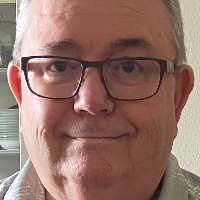
Profile checklist
- CredentialsLMHC, LPCC
- Licenses listedLMHC, Florida (no. MH6268); LPCC, Ohio (no. E.2102075)
- NPI number1033388053
- Experience27 years listed
- LanguageEnglish
- Main areas of focusStress, Anxiety, Trauma and abuse, Self esteem, Depression
- Approaches includeAcceptance and Commitment Therapy (ACT), Client-Centered Therapy, Cognitive Behavioral Therapy (CBT), Dialectical Behavior Therapy (DBT)
- FormatOnline sessions through BetterHelp
Details as listed on the therapist’s BetterHelp profile.
- Addictions and mood concerns
- Practical goal focus
- 27 years experience
About David
He trained in community counseling at The University of Akron and holds an Ohio Licensed Professional Clinical Counselor credential and a Florida Licensed Mental Health Counselor credential. For the past 27 years he has provided counseling aimed at helping people find new directions in life. He listens, offers new perspectives, and helps clients decide what they want to change.
In sessions he focuses on practical steps and steady support. He uses approaches such as Acceptance and Commitment Therapy, Cognitive Behavioral Therapy, Dialectical Behavior Therapy, Motivational Interviewing, and a client-centered stance. That means he works collaboratively and tailors tools to the person in front of him.
Many people come with grief, trauma, addiction concerns, relationship or intimacy problems, or struggles with self-esteem and life purpose. He also addresses process addictions like gambling or problematic sexual behavior, and mood or panic-related issues.
His style is straightforward and encouraging. He aims to help clients build new habits, cope with setbacks, and move toward goals they value. If someone wants a therapist who combines life experience with years of counseling work, he offers that blend of perspective and practical help.
How therapeutic approaches translate to online work
Acceptance and Commitment Therapy (ACT) helps people notice unhelpful thoughts and focus on actions that match their values. It is useful for anxiety, depression, and finding direction after major life changes. Cognitive Behavioral Therapy (CBT) breaks problems into thoughts, feelings, and behaviors and teaches practical skills to change patterns that cause distress. It often helps with panic, mood issues, and many anxiety-related problems.Finding the right approach is part of the work together. He will talk with each person about goals and preferences and help choose or blend methods that fit their situation. Decisions about techniques and pace are collaborative and adjusted as progress is made.
Session formats are not listed in the biography, so confirm current options before booking. Many people find online sessions help fit therapy into busy days, reduce travel time, and make it easier to attend regular appointments. Online work can allow for shorter check-ins when schedules are tight, and it can make follow-up and homework assignments easier to coordinate with daily life. Licensed professionals can still use ACT and CBT techniques effectively in remote sessions, focusing on real-world behavior changes and skills practice.
Areas of expertise
Primary focus
Also works with
Additional focus areas
Therapeutic approaches
Experience
27+ years
Credentials
Florida, Ohio
Languages
English
Frequently asked questions
What concerns does he address?
He works with a wide range of issues including stress, anxiety, depression, trauma and abuse, addictions, relationship and intimacy-related issues, grief, parenting challenges, anger, and career concerns.
What is his therapeutic approach like?
He combines client-centered listening with practical methods like Acceptance and Commitment Therapy, Cognitive Behavioral Therapy, Dialectical Behavior Therapy, and Motivational Interviewing to help people set goals and build new habits.
How much experience does he have?
He has 27 years of counseling experience and earlier worked for many years as a high school teacher and coach before completing a graduate degree in Community Counseling.
What credentials and location should I know about?
He holds the credentials LMHC and LPCC, with licensing as a Florida Licensed Mental Health Counselor and an Ohio Licensed Professional Clinical Counselor, and practices from Ohio.
Which languages are sessions offered in?
Sessions are offered in English.
Can international clients work with him?
He is not currently accepting international clients.
How are sessions paid for and what does it cost?
Cost varies with location and therapist availability; sessions use a subscription model that can be canceled at any time.
How do I begin working with him?
Start by selecting the Start Therapy button, complete a short matching questionnaire, and schedule sessions according to therapist availability.